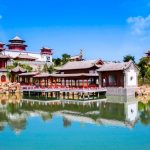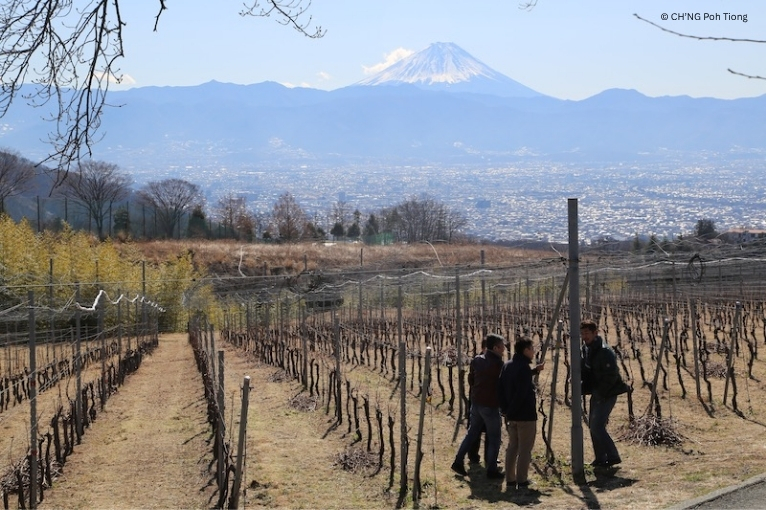
The birthplace of Japanese viticulture is Yamanashi on the main island of Honshu. Lying about 125 kilometres west of Tokyo, the prefecture is also famous for its picture-perfect Koshu table grapes, plums, and peaches and, in the right places, shutter-stopping views of Mount Fuji.
It is believed that Koshu, the grape, originates from China. Between 630 and 838, the Japanese court sent 19 official missions to Tang China (618–907).
This timeline coincides with the local Japanese legend that the Buddhist monk Gyoki planted the first vines in Yamanashi in 718.
The 19 missions went to China to learn about—including—measurements for goods, currency (the yuan or yen), the Chinese lunar calendar, geomancy, governance, administration, bureaucracy, Buddhism, painting, writing and calligraphy. Commercial goods were also part of the mix, tea being one of them. The tea drunk during the Tang era was green.
Traditionally, Koshu was trained on pergolas.
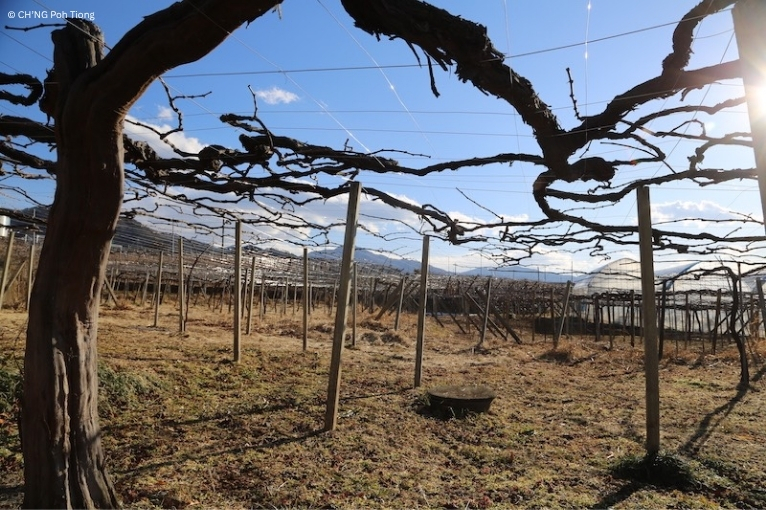
Pergolas not only help keep the fruit high and dry, they also encourage viral yield of many bunches of Koshu. Flavour formation can be a challenge. Yamanashi is synonymous with the variety, Koshu being the old name of the prefecture.
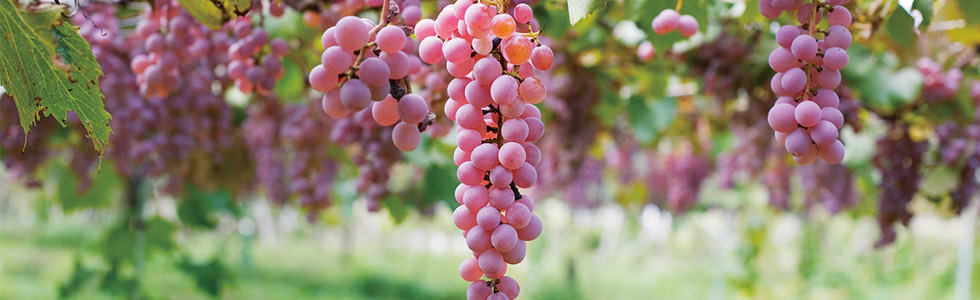
Koshu
This chosen method of cultivation was as much driven by necessity as by commercial aspirations. Japan experiences heavy precipitation during the growing season, including monsoons in June and early July (during flowering) and typhoons in September leading up to harvest. All that downpour and humidity would daunt most other people, except for the tenacious Japanese. That said, despite its moniker, the sun does not always shine in the Land of the Rising Sun. Both chaptalisation and acidification are permitted under Japanese wine law, although it is usually the former that is called into service for the country’s naturally low-alcohol wines.
Pergolas not only help keep the fruit high and dry, but they also encourage vigorous yields of countless bunches of grapes. Flavour formation—let alone layered, nuanced complexity—remains a challenge. Thin, even watery, wine can be the result.
The first documented Japanese attempt to make grape wine took place in 1875 in Kōfu, the capital of Yamanashi. Tools used for sake production were employed, and the results were not memorable (even today, you will find some bottles of Koshu in 720 ml—the standard bottle size for sake).
Two years later, Iwaimura Winery was formed by farmers and merchants in Katsunuma, Yamanashi, and dispatched two young Japanese men to Bordeaux to learn winemaking. They did not speak French, and the laborious educational process—conducted through written translations back and forth to a contact in Paris—was, to say the least, far from ideal. If only the internet had been invented then.
The Iwaimura Winery folded seven years after it was founded in 1877, but the precedent for producing wine from Japanese-grown grapes had been established.
Join Singapore Forever 29 November 2026 to taste Koshu and other Japanese wines from Fujiclair Winery and Lumiere Winery!
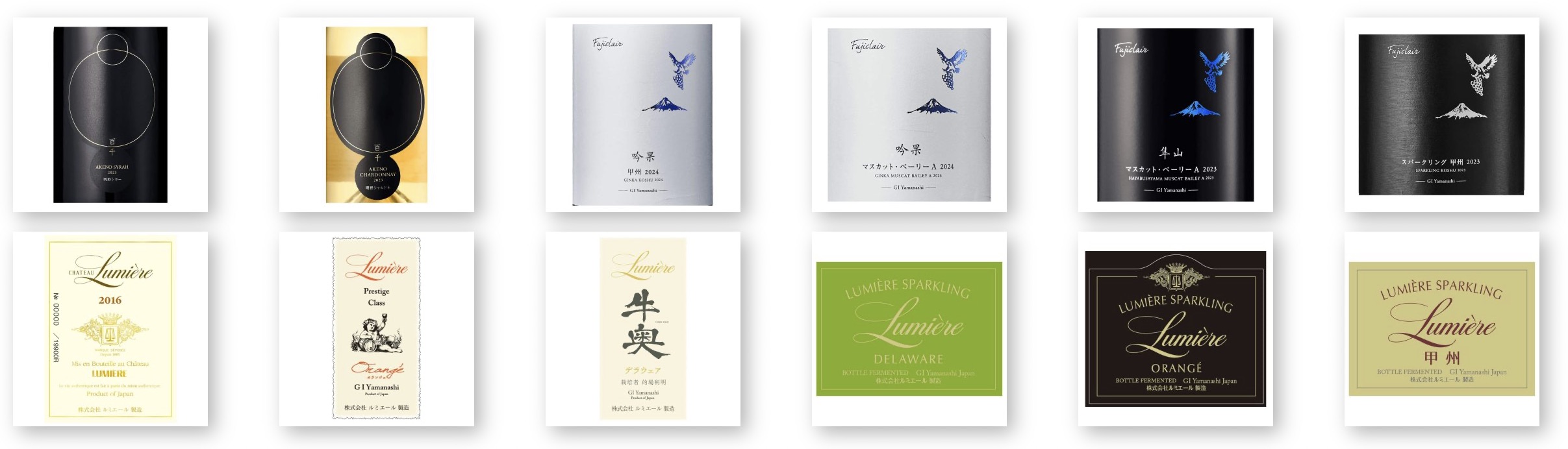

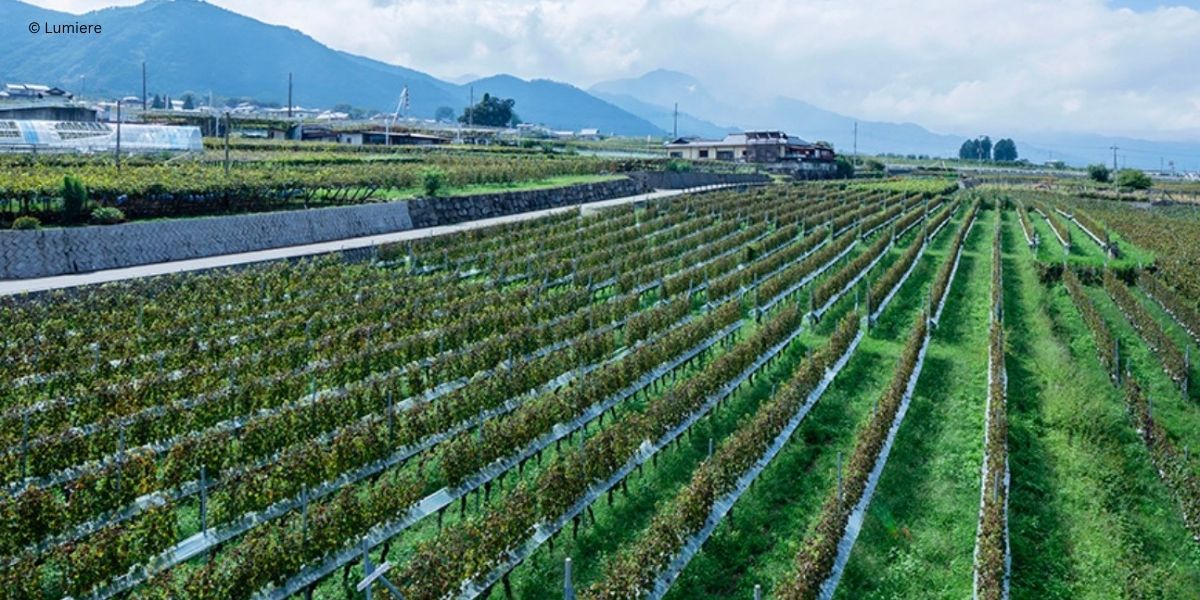
Lumiere, founded in 1885, is one of Japan’s oldest wineries, celebrated for pioneering the indigenous Koshu grape and championing traditional techniques such as wild yeast fermentation.
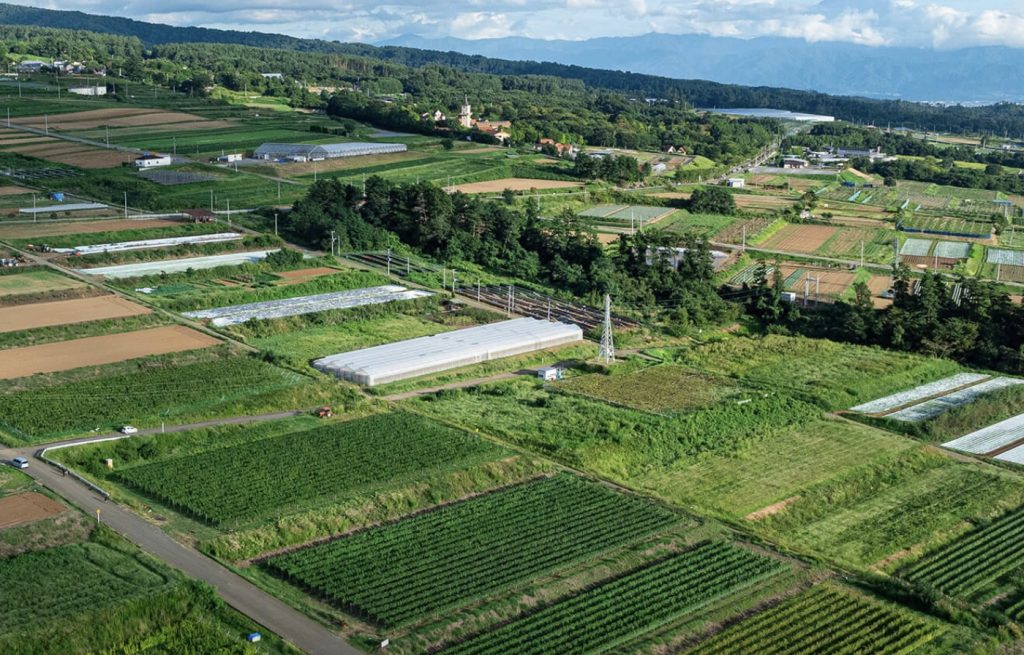
Fujiclair, established in 1963, is a distinguished Japanese winery known for its expressive, terroir-driven wines, crafted from the vast 40-hectare Hokuto Takegawa Vineyard in Yamanashi.