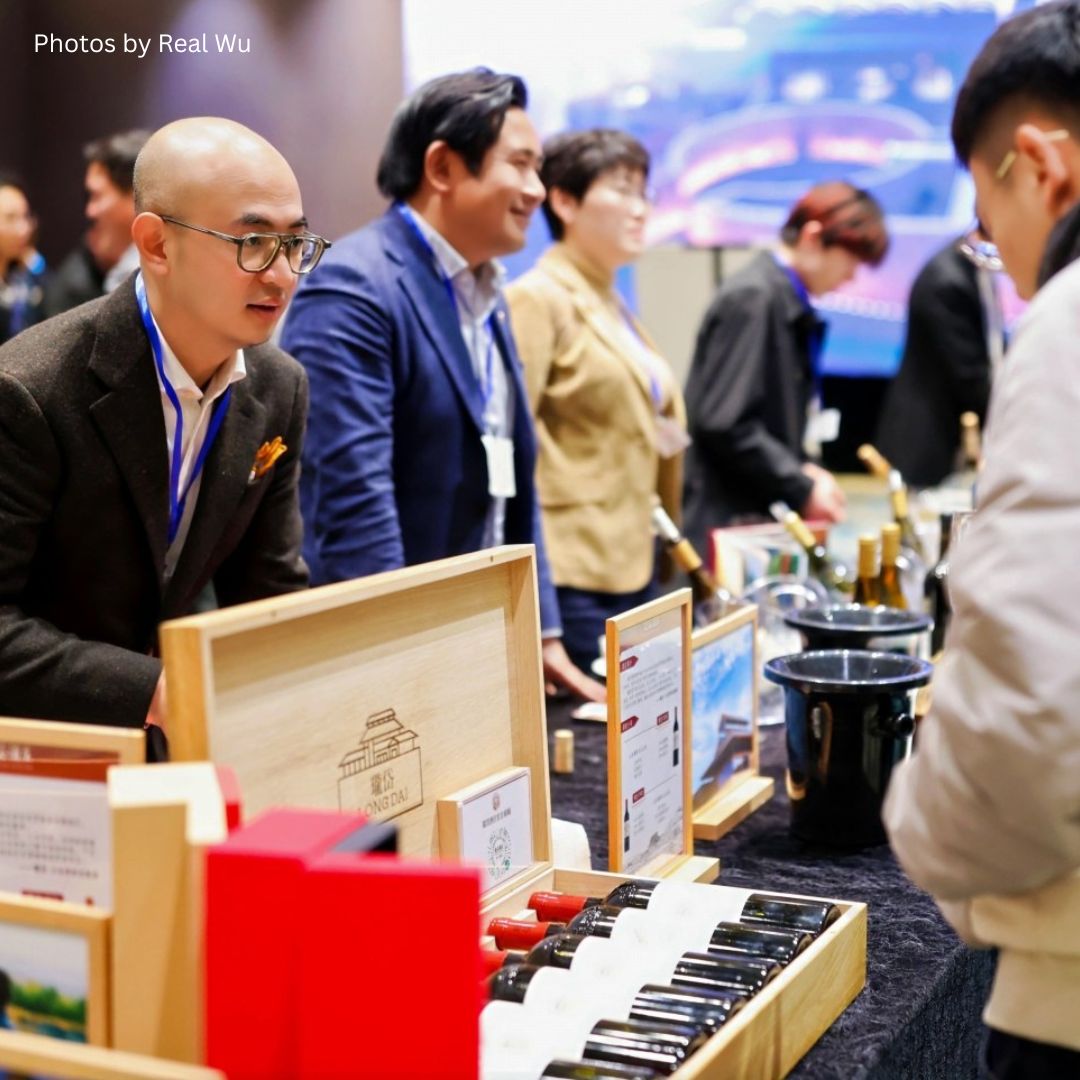
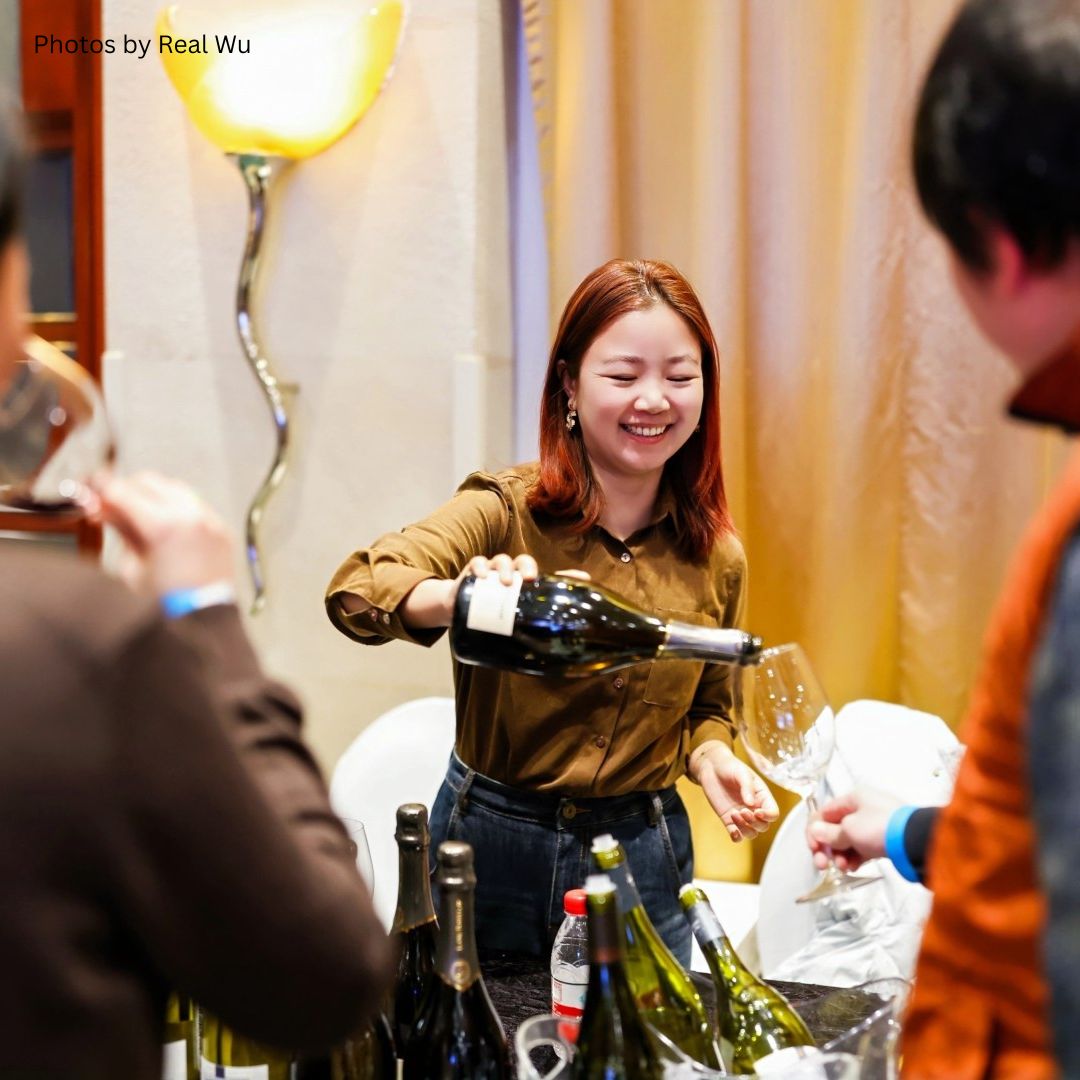
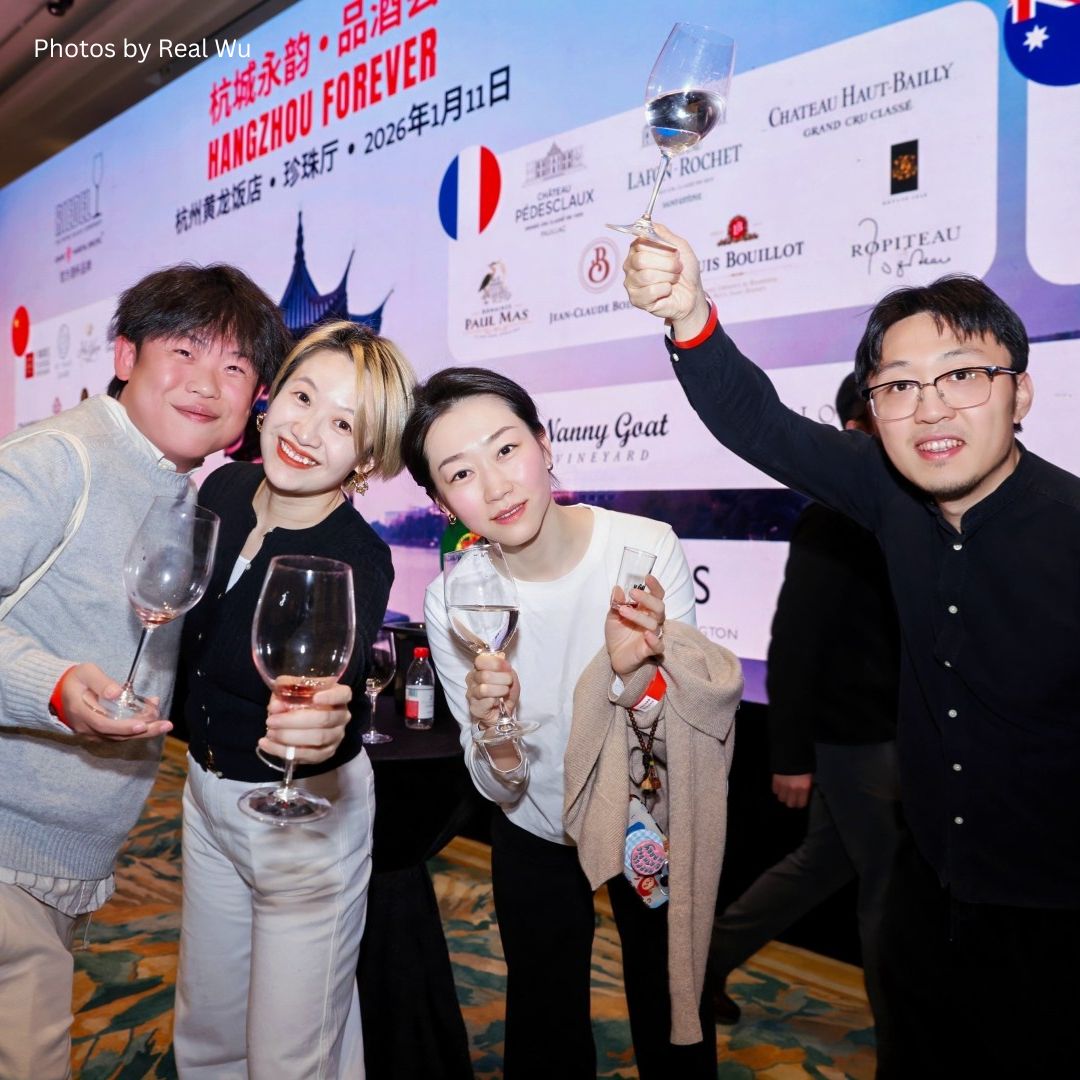
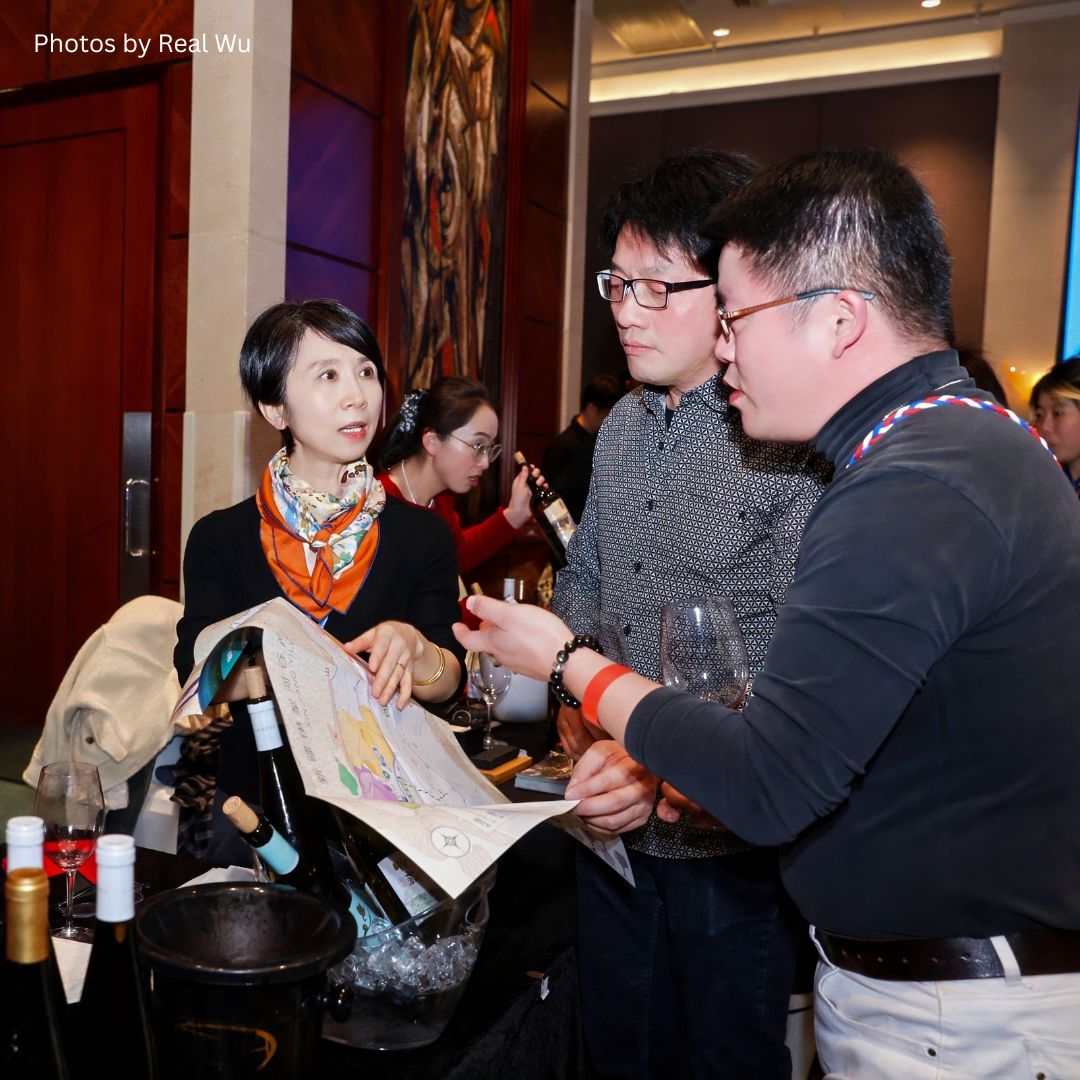
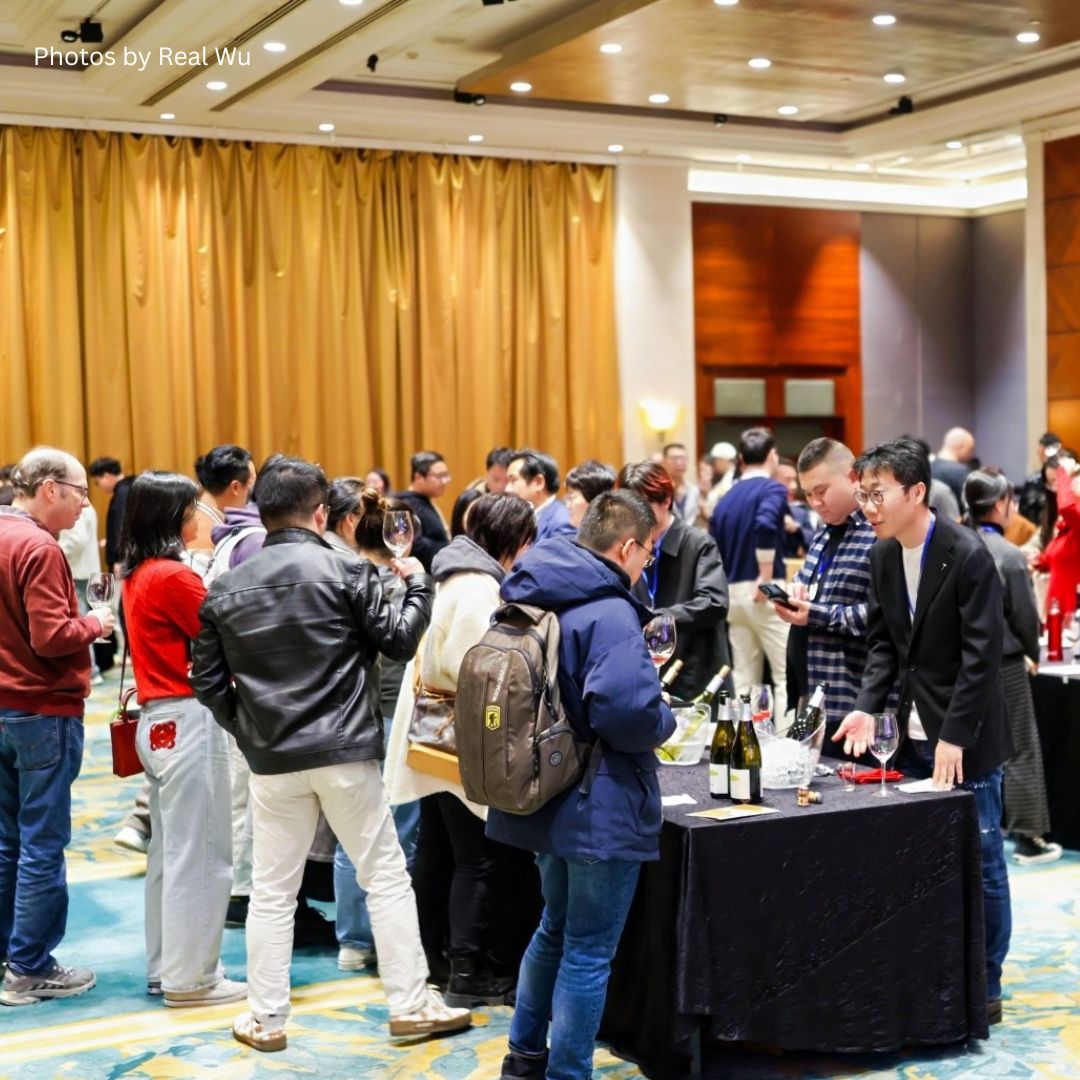
Taste Over 190 Wines
Register Now!
Register Now!
Terms & Conditions
- Reservation is only confirmed upon payment.
- Cancellations and refunds are not permitted.
- Participants must be of legal drinking age (18 years and above).
- Children are not allowed to enter the venue.
- The Organiser reserves the final right to make decisions regarding the event.
- Participants will be denied entry if they do not conform to The Tower Club Dress Code: NO shorts, collarless tee-shirt, baseball cap, athletic wear, sneakers, slippers or sandals
- All exhibitor information and wine labels are accurate as of the time of publication. The organizer reserves the right to modify information.


TASTE OVER 190 WINES
Argentina • Chile
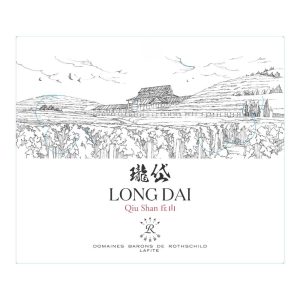
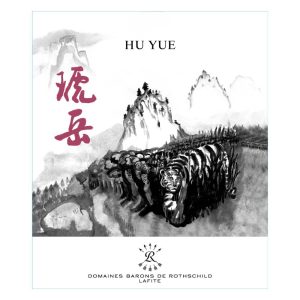
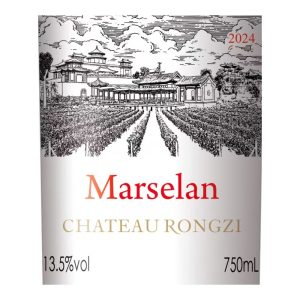
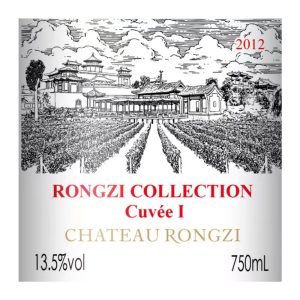
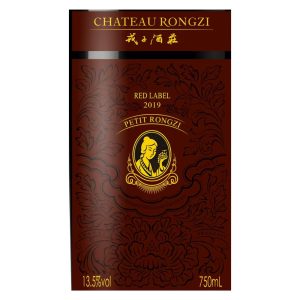
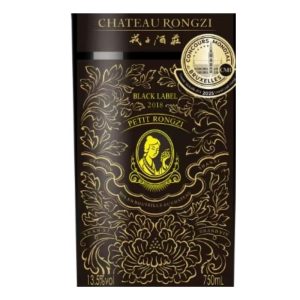
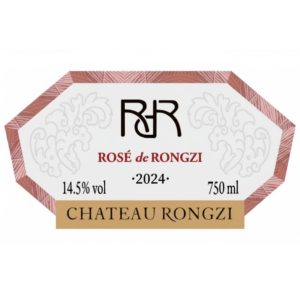
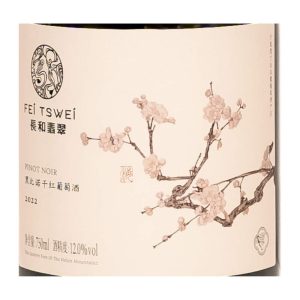
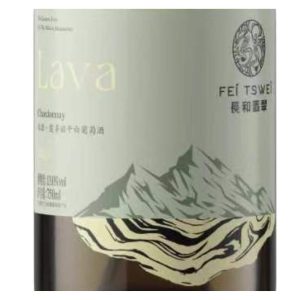
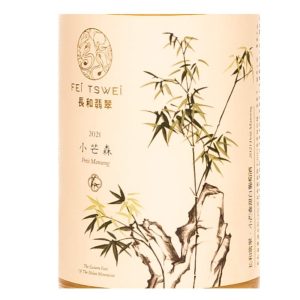
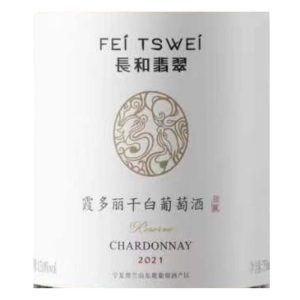
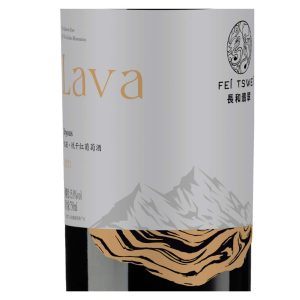
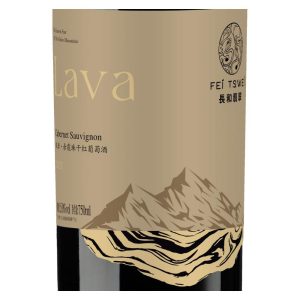
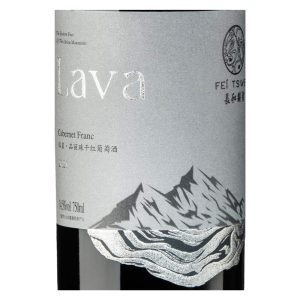
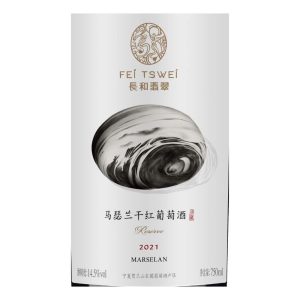
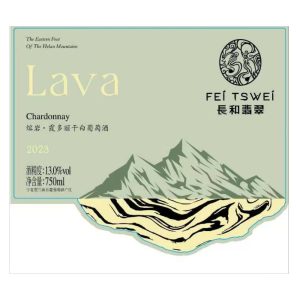
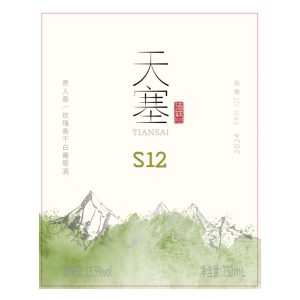
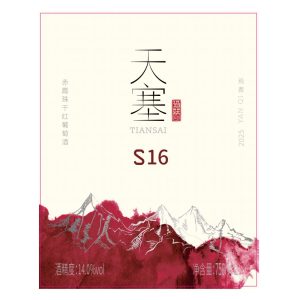
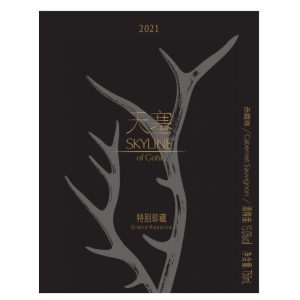
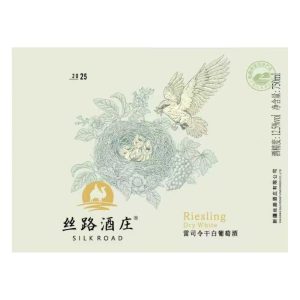
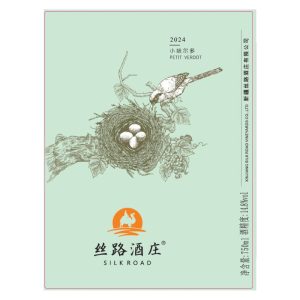
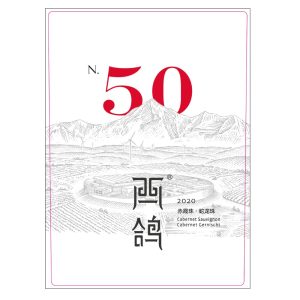
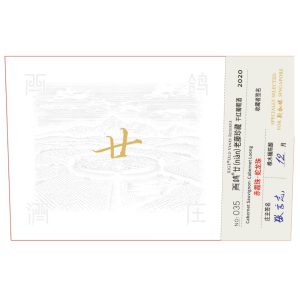
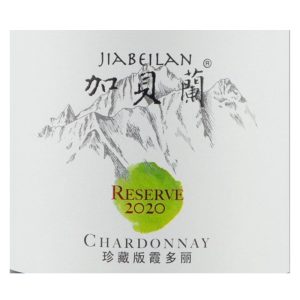
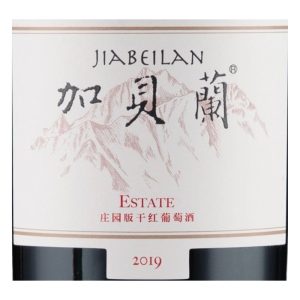
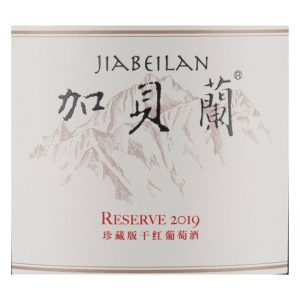
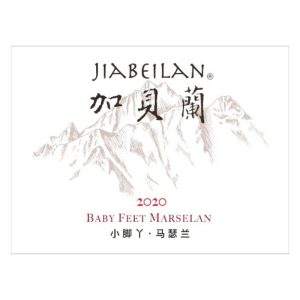
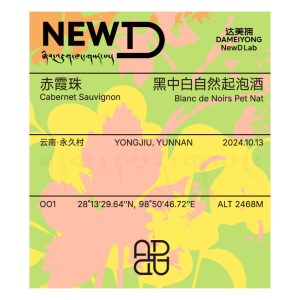
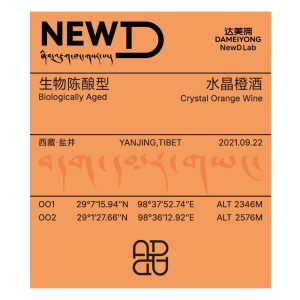
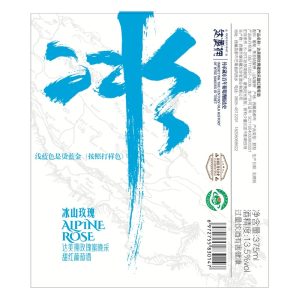
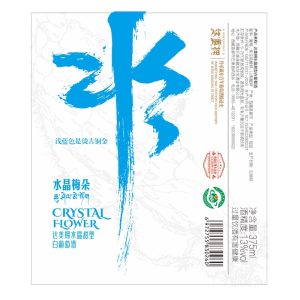
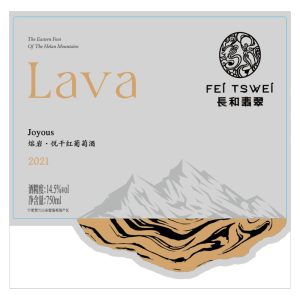
China
France
Italy
Japan
New Zealand
Portugal
South Africa
Spain
U.S.A
All wine label and winery information is accurate as of the time of publication. The organizer reserves the right to modify information.
EXHIBITORS
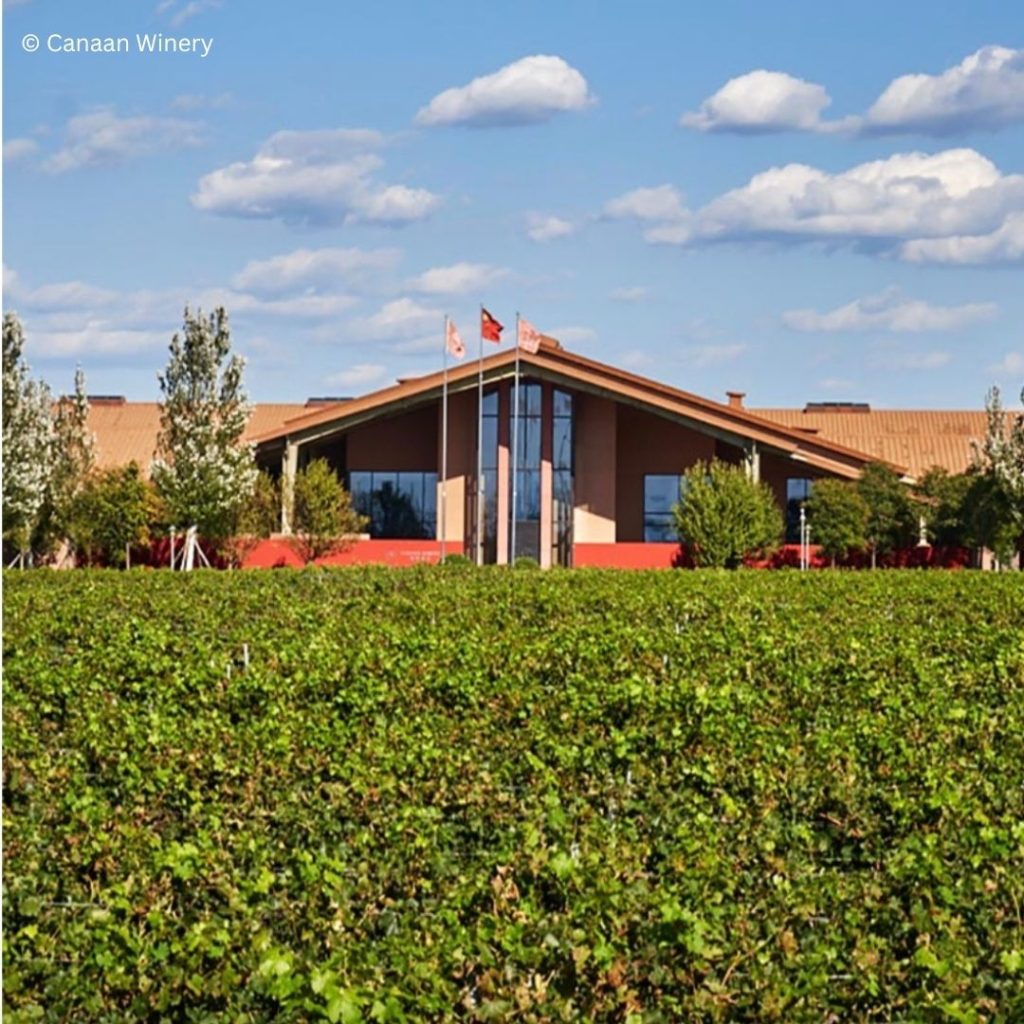
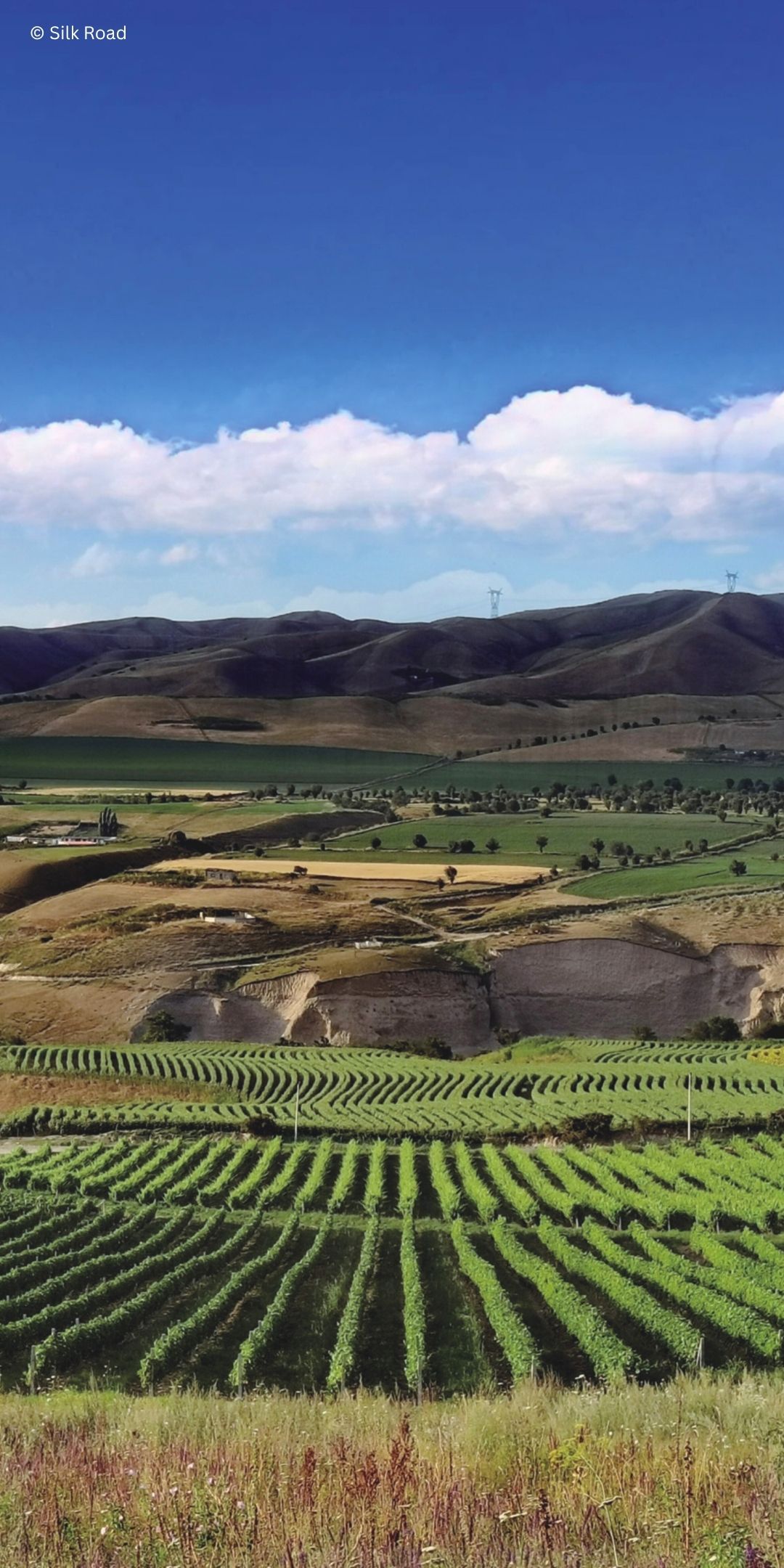
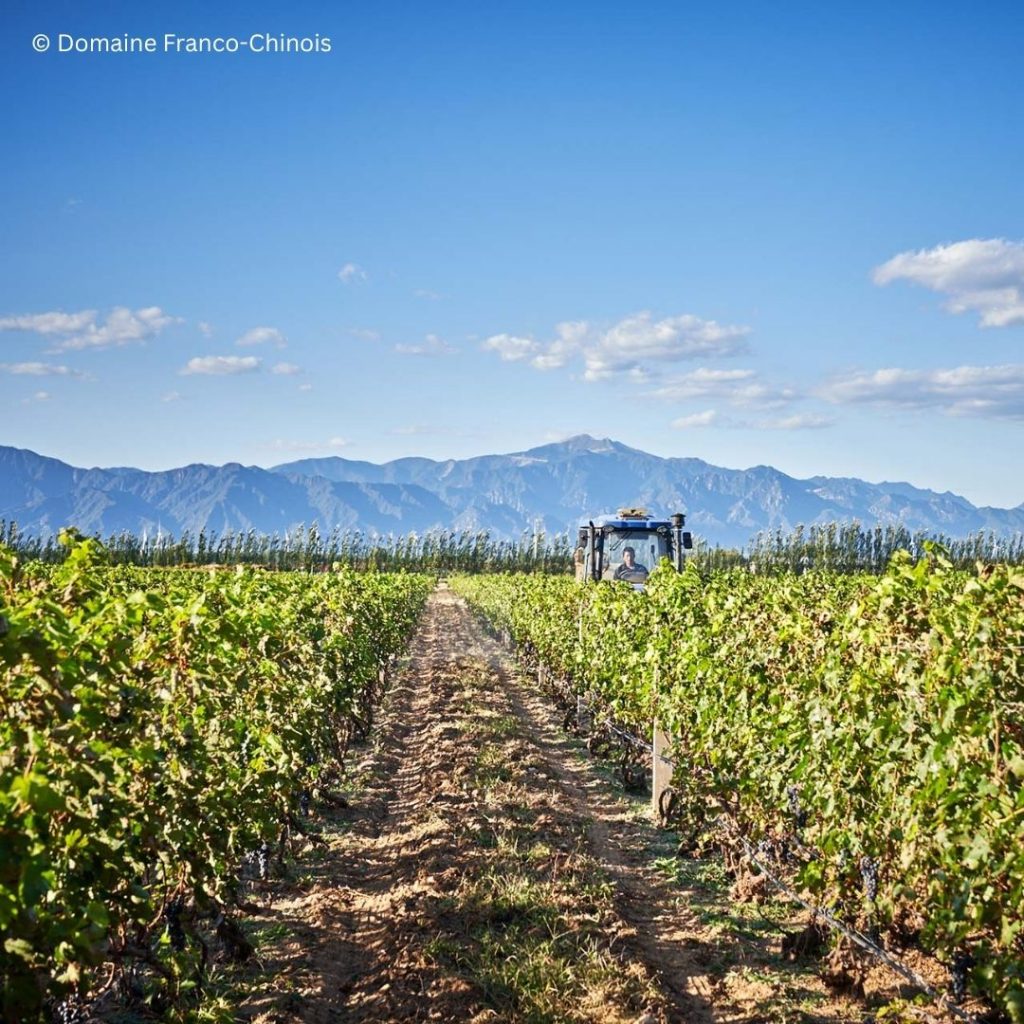
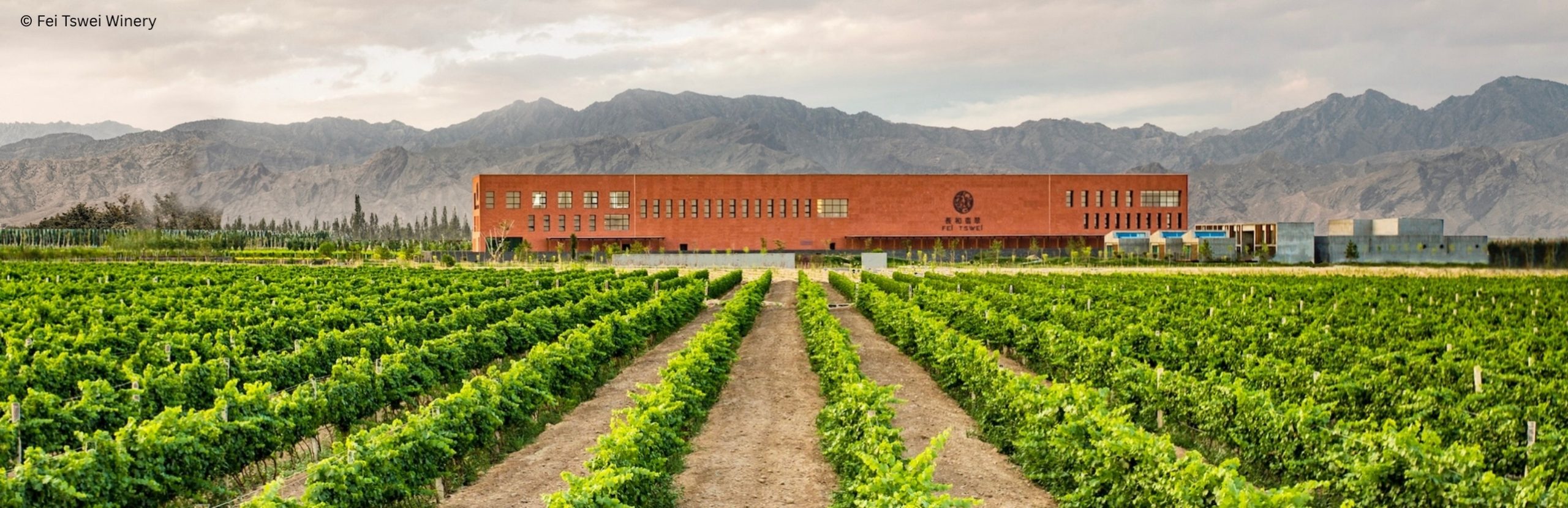
China
Is China an Old or New World wine producer?
China is both! China has been growing grapes and making wine for more than 2,000 years.
Chinese envoys brought back grape seeds from Ferghana in modern day Uzbekistan to the capital Xi’an during the Han Dynasty (206 BCE–220 CE). The vines were, however, grown on imperial land and the wine enjoyed by a privileged and elite few. Wine was exotic and exclusive and not made to be traded.
The modern industry is said to begin in 1892 with the founding of Changyu Winery.
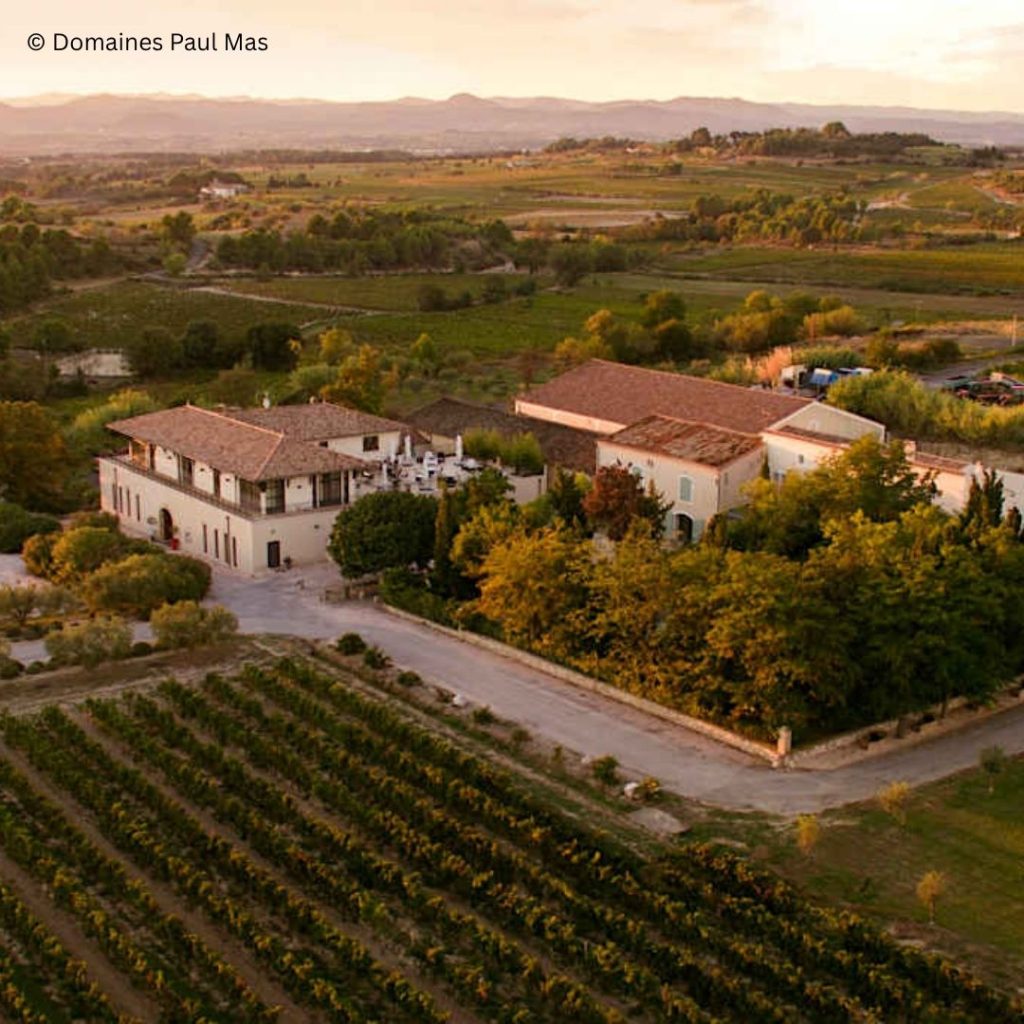
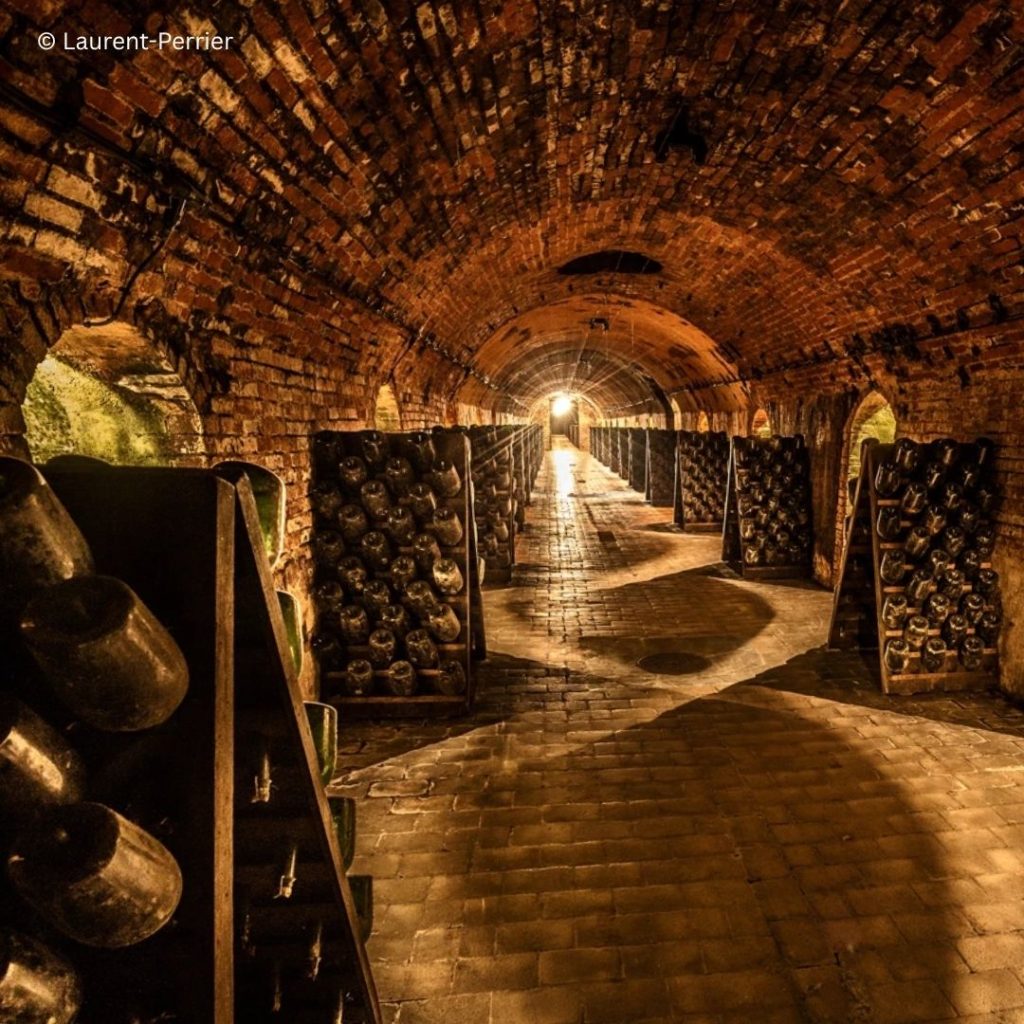
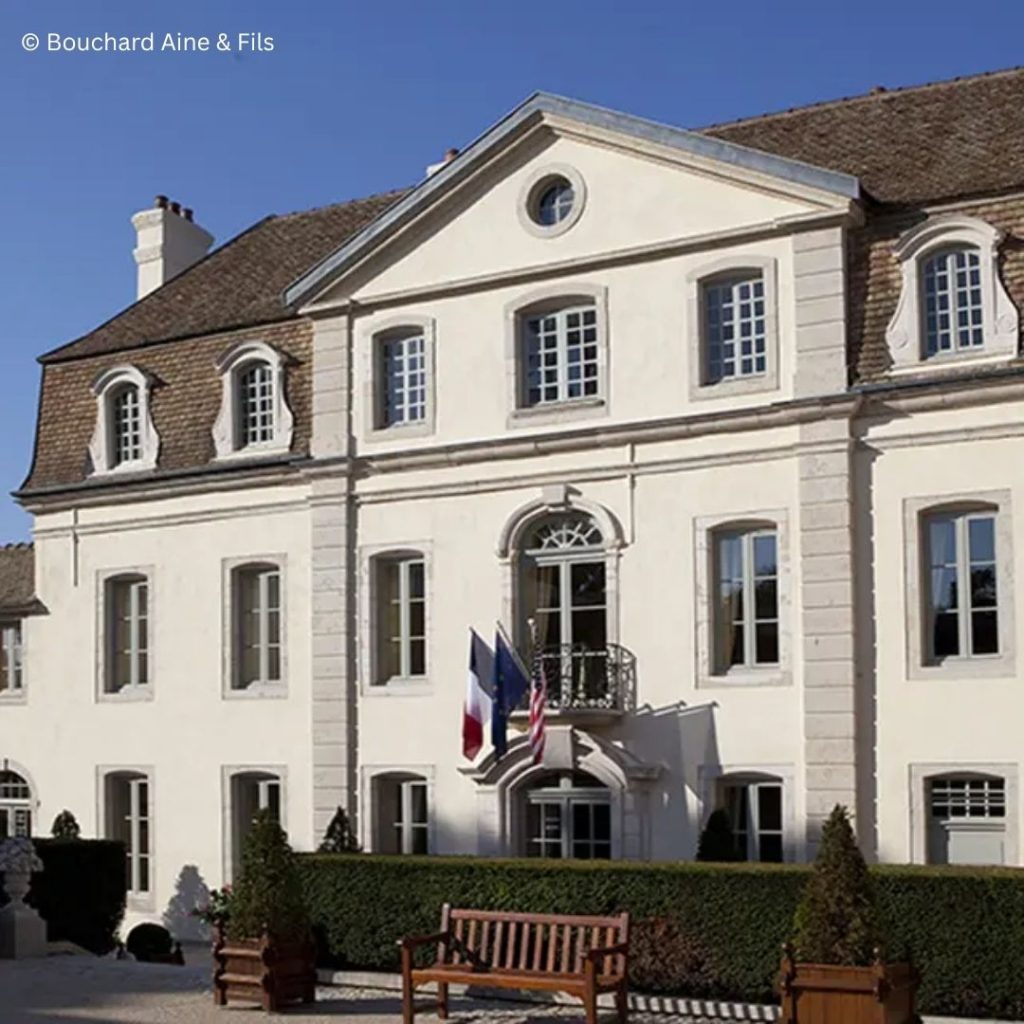
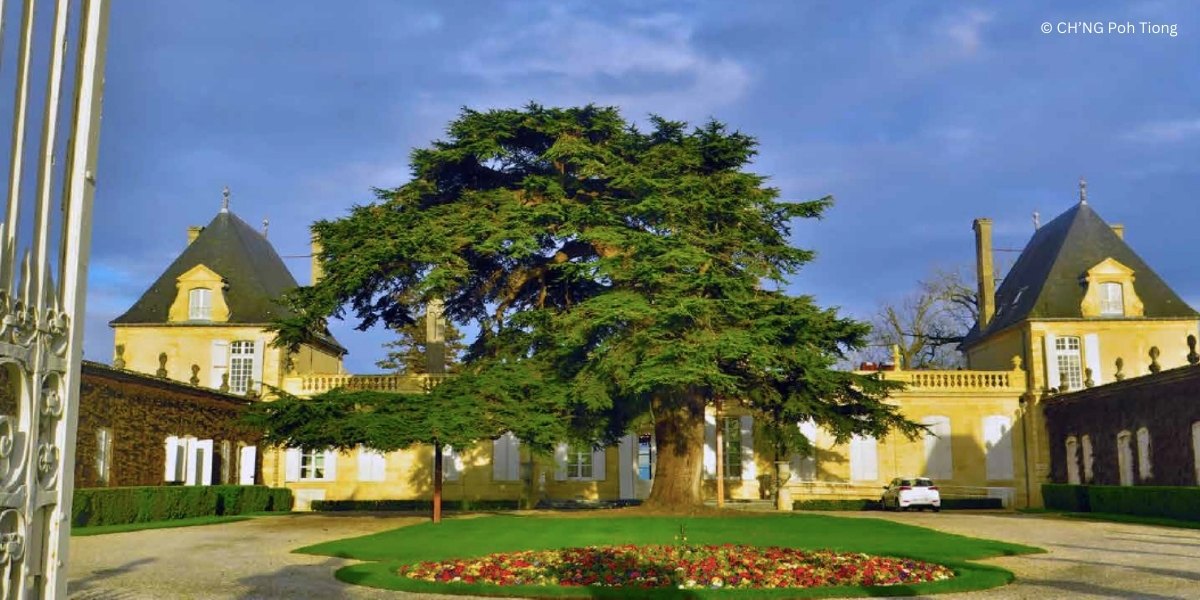
France
Home to legendary regions like Bordeaux, Burgundy and Champagne, plus the sun-drenched Languedoc
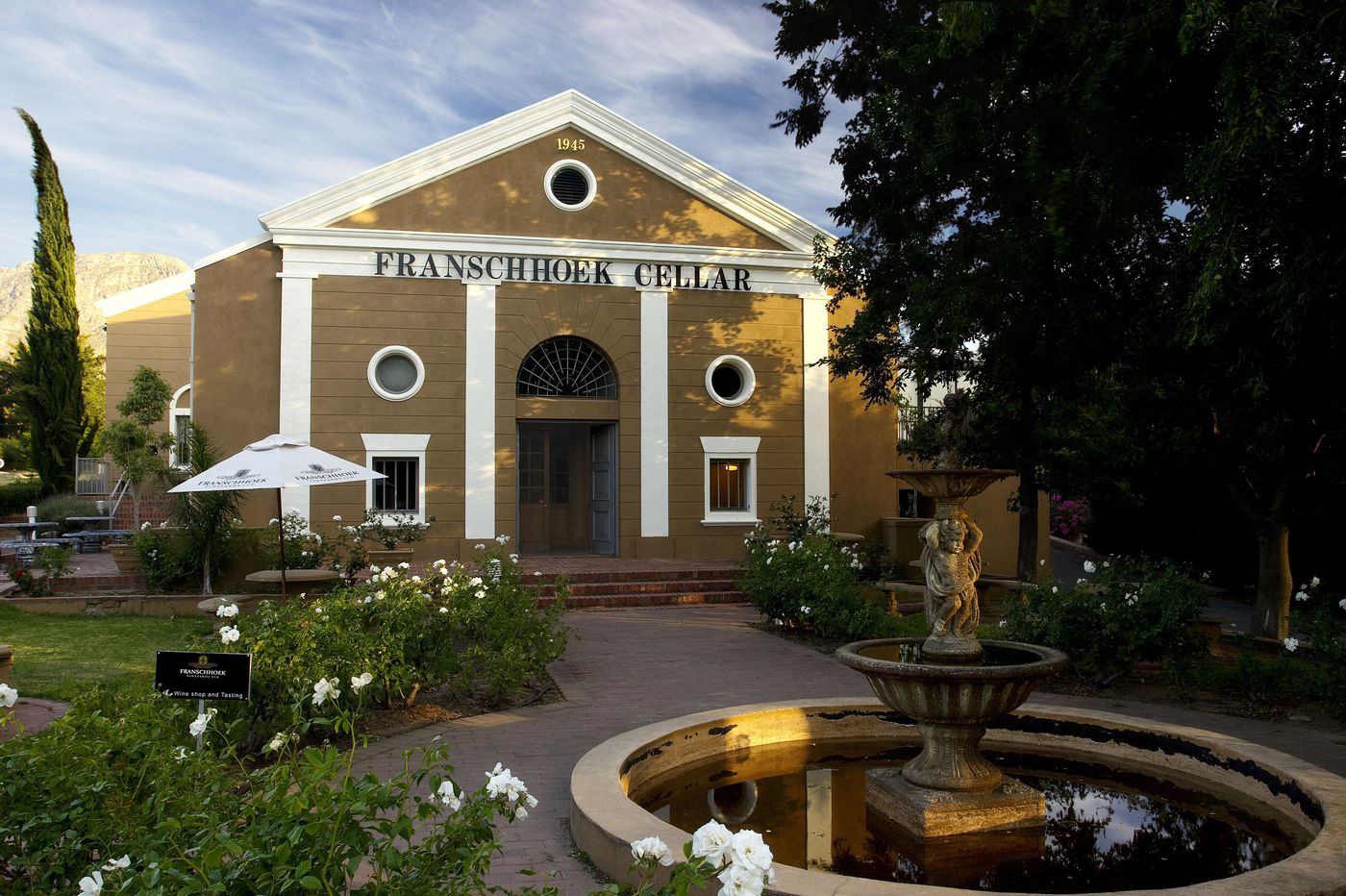
South Africa
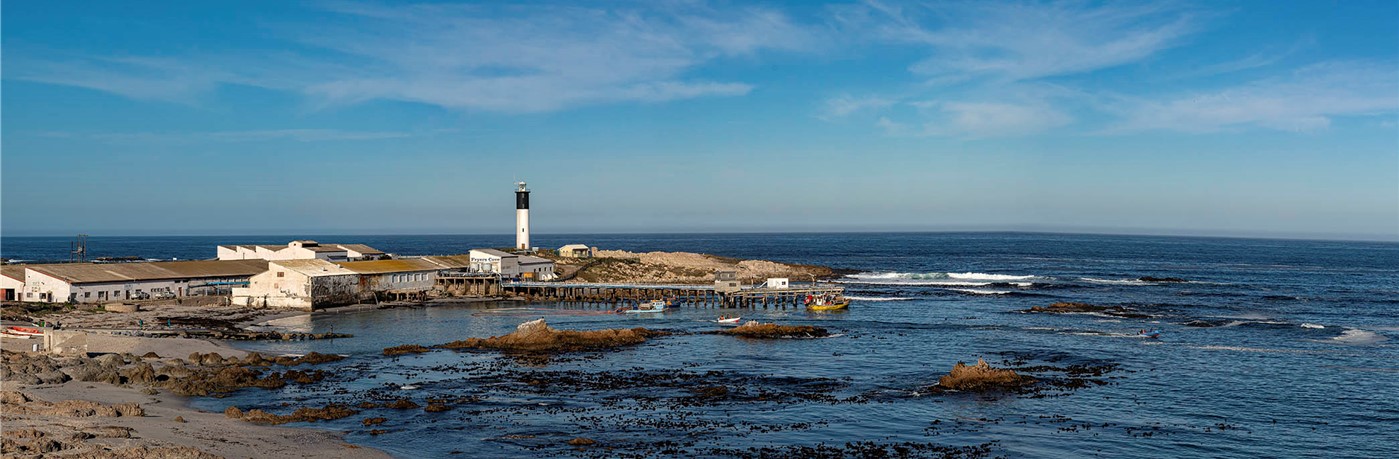
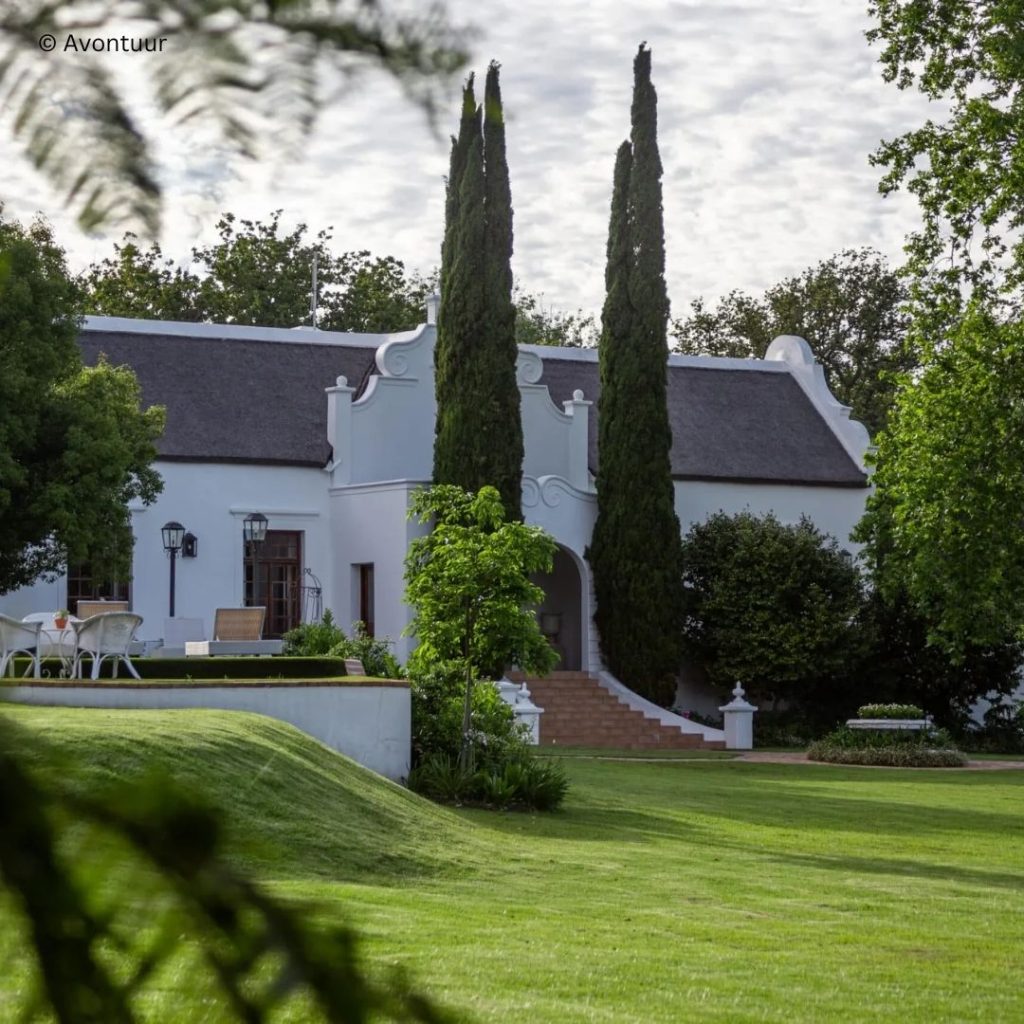
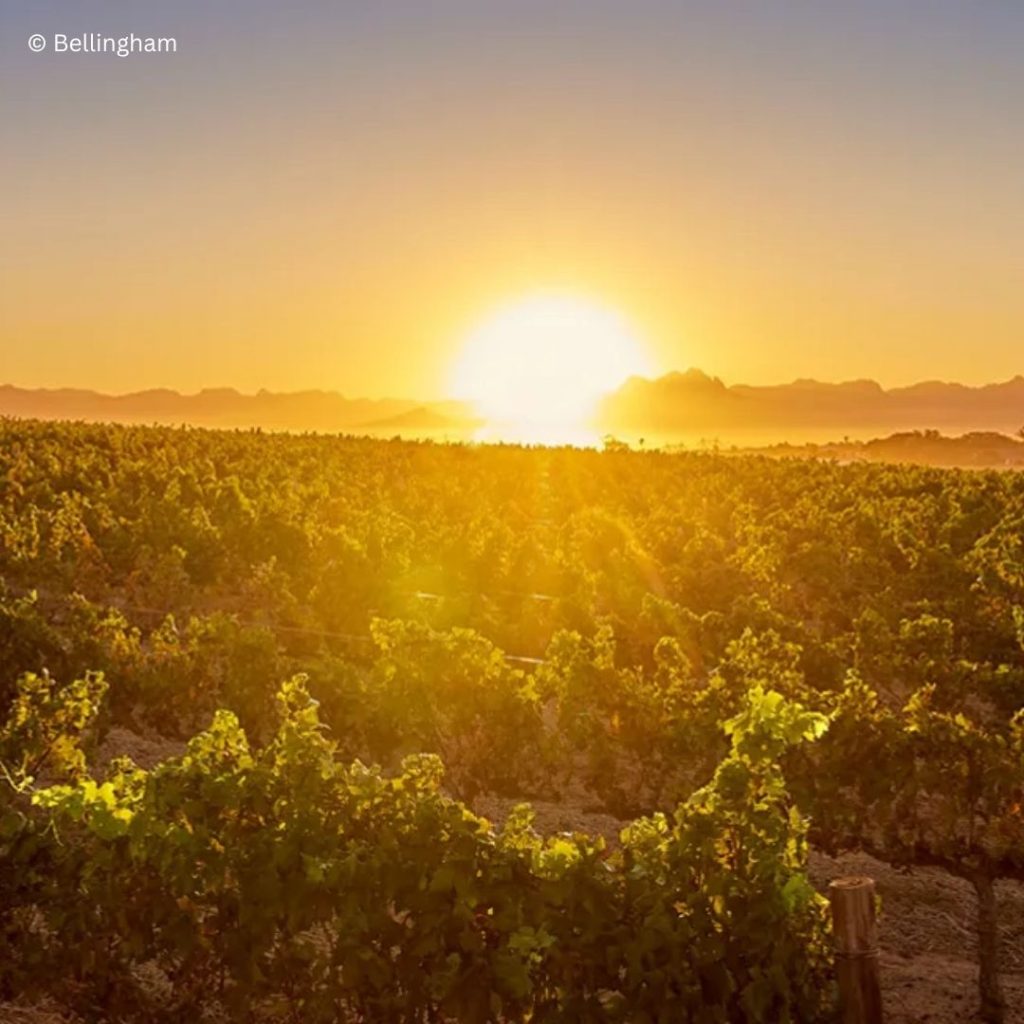
New World wine region famed for its breathtaking Cape Winelands. It’s known for its unique Pinotage grape
Japan
It is believed that Koshu, the grape, originates from China.
Between 630 and 838, the Japanese court sent 19 official missions to Tang China (618 – 907). That timeline co-incides with local Japanese legend that Buddhist monk Gyoki planted the first vines in 718 in Yamanashi.
The 19 missions went to China to learn about – including – measurements for goods, currency, the Chinese lunar calendar, geomancy, governance, administration, bureaucracy, Buddhism, painting, writing and calligraphy. Commercial goods were also part of the mix, tea being one of them.
Singapore