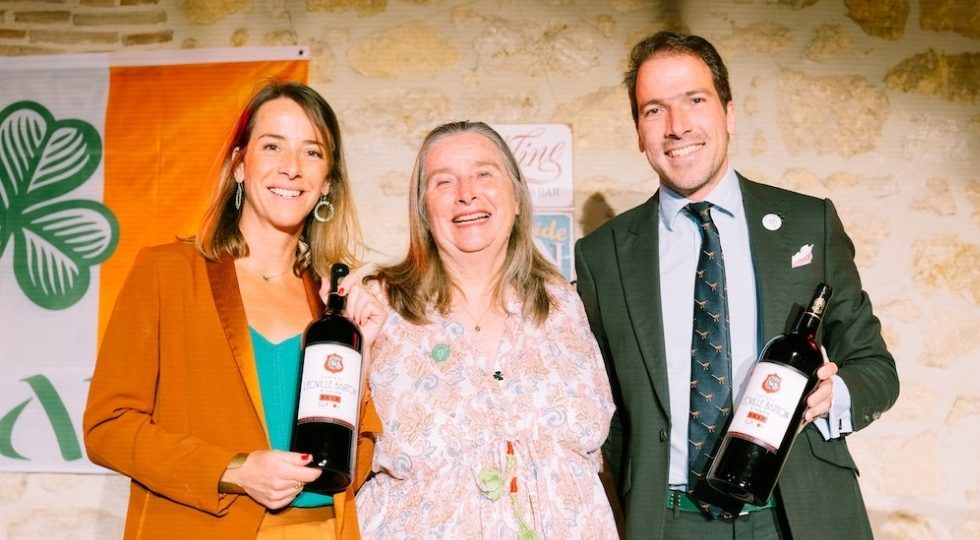
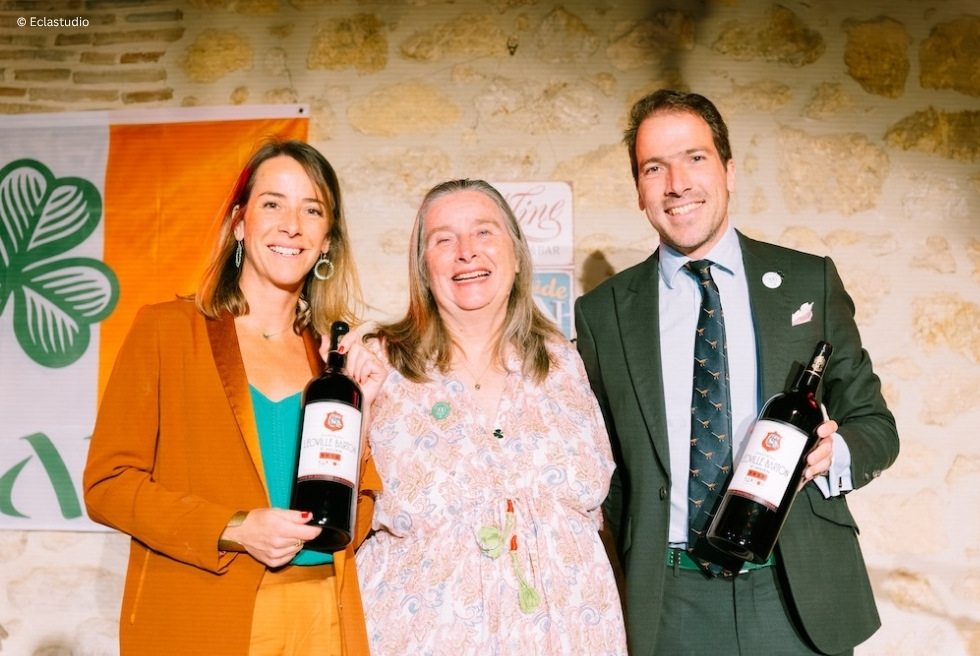
Ninth‑Generation Lilian Barton Sartorius (middle), together with her children Mélanie (left) and Damien, is the custodian of the Barton Family estates. At the 200th Anniversary Party of Chateau Leoville Barton on 21 April 2026, the Barton Family released an anniversary label for the 2026 vintage.
This year, 2026, marks two centuries since the Barton Family first acquired Chateau Leoville Barton.
On 21 April, they celebrated at the chateau with a party, where they unveiled a revival of their iconic Art Deco label for a special 200th Anniversary bottle of the 2026 vintage.
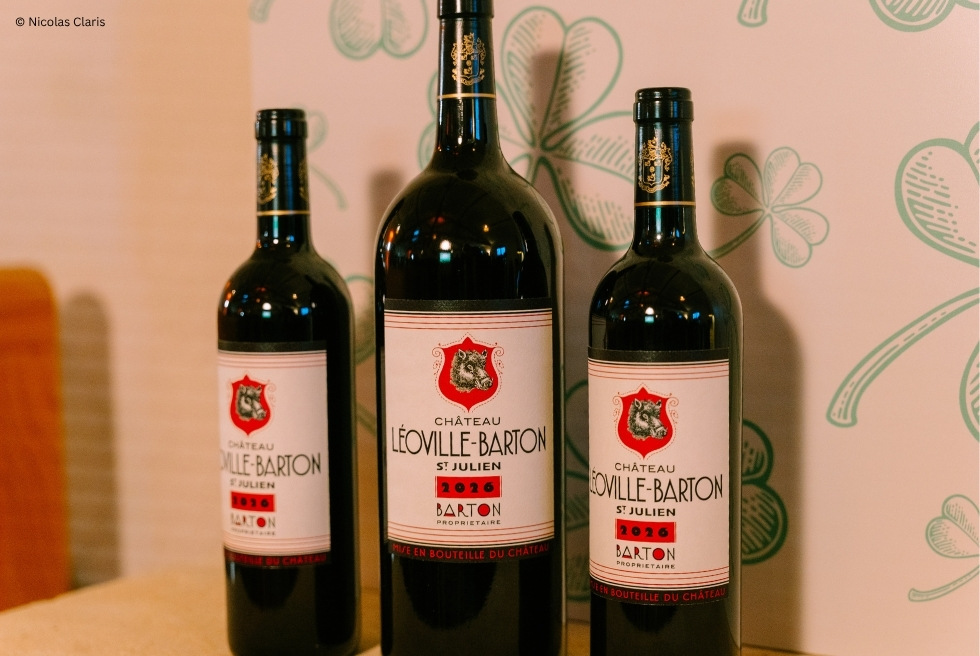
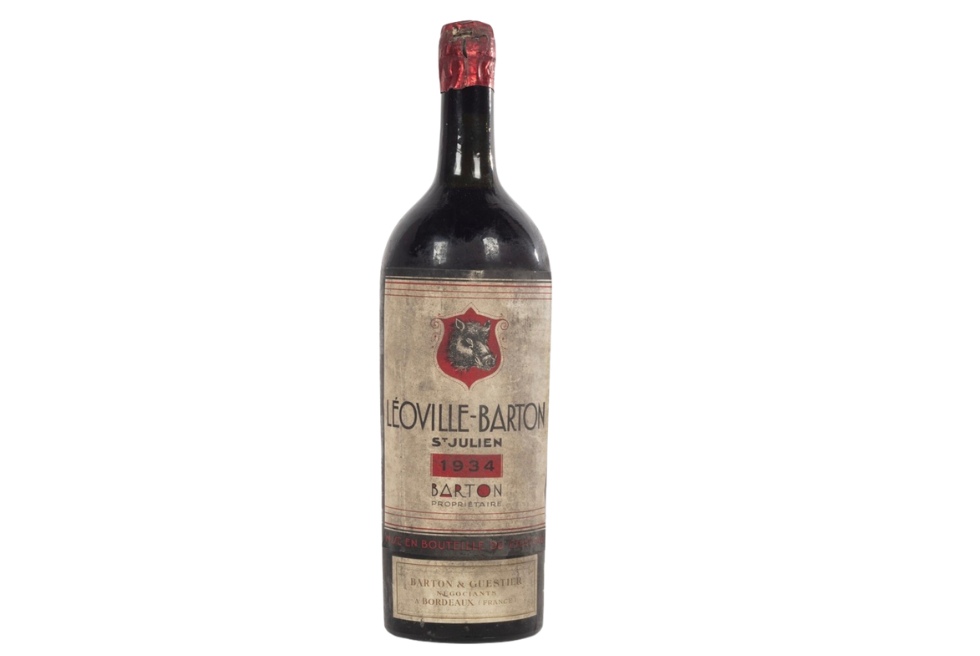
Chateau Leoville Barton has revived its iconic Art Deco label for the 2026 vintage to celebrate the 200th Anniversary. Originally used between the 1930s and 1960s, the label is recognisable for its clean, graphic lines and the wild boar medallion – a symbol of the Barton Family.
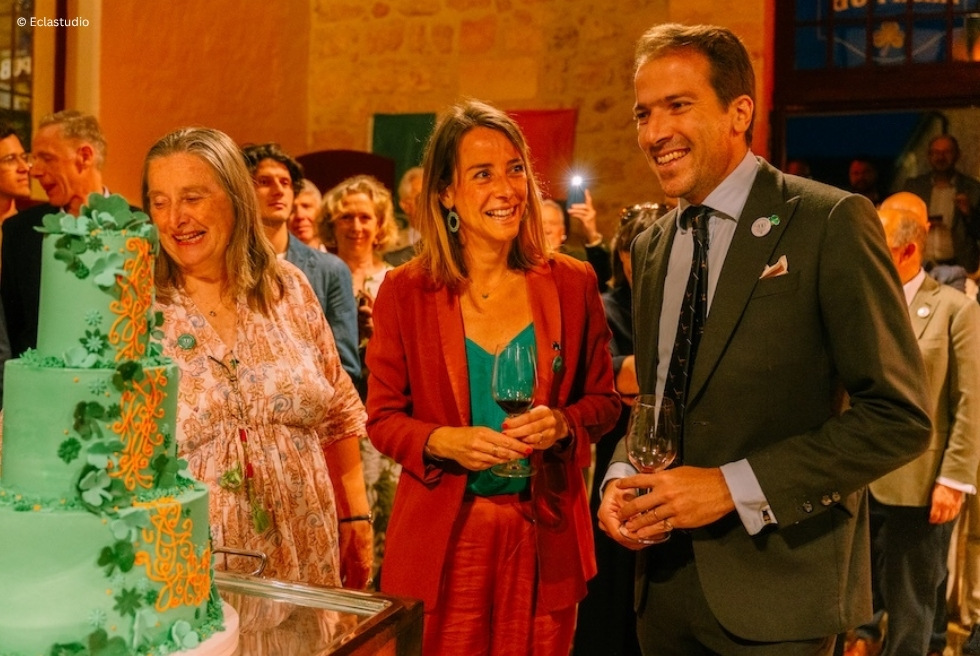
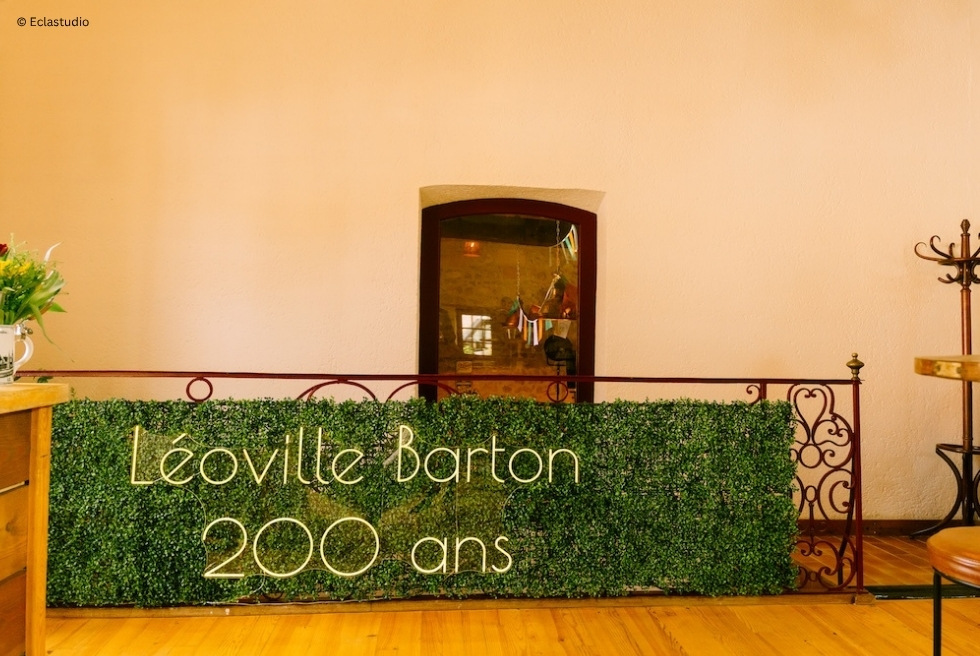
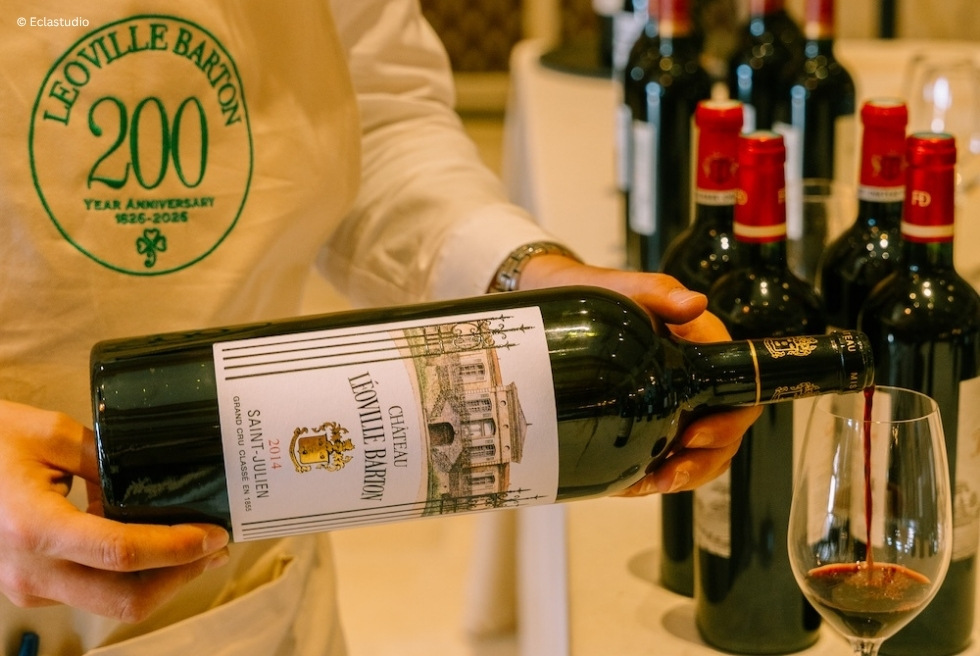
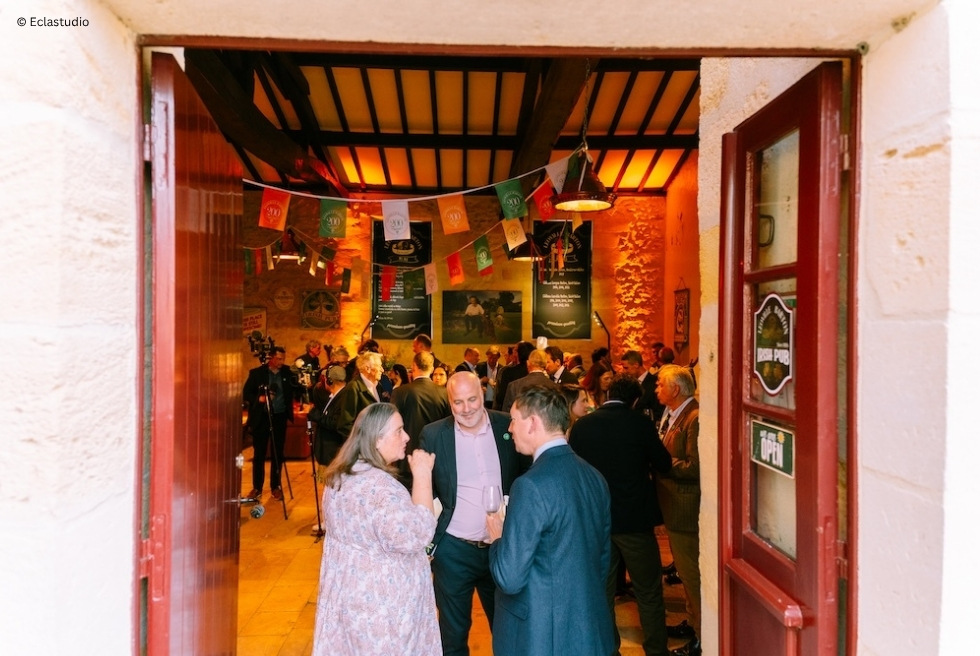
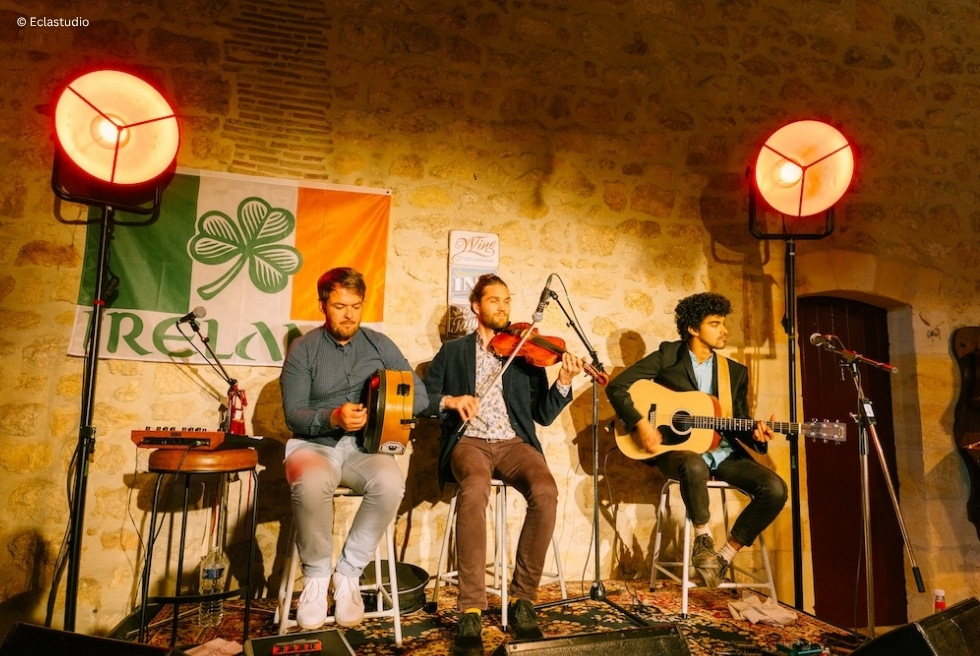
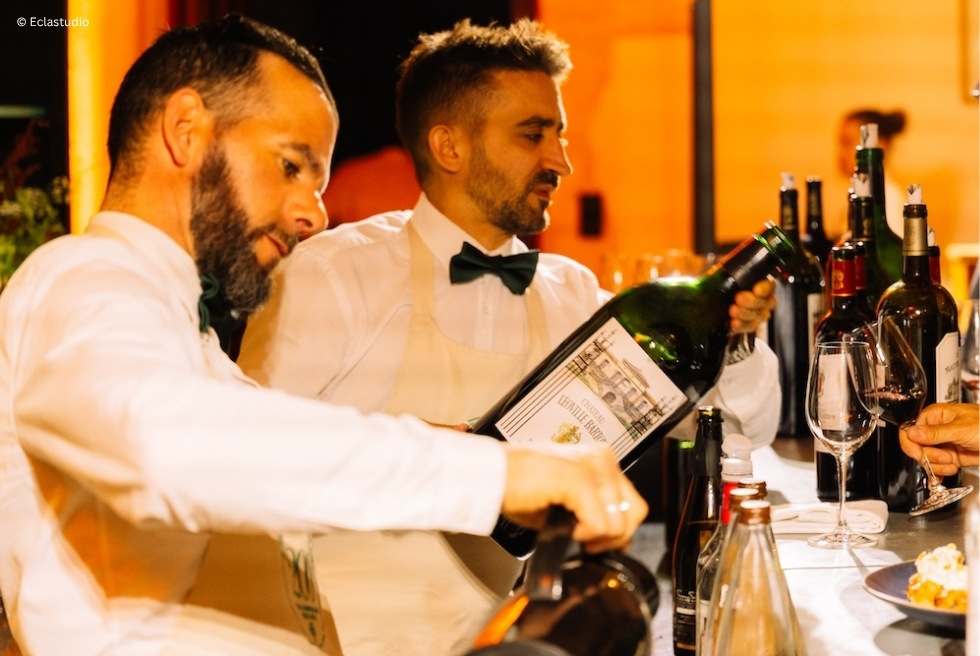
On 21 April 2026, the Barton Family held an anniversary party at Chateau Leoville Barton to celebrate the 200th Anniversary.
It is often observed that the average lifespan of a family’s ownership of a Bordeaux chateau is a hundred years, give or take a few. As with all things, there are exceptions.
One such glittering example is the Barton Family, whose ownership of their most famous property, Château Léoville Barton, can be traced to 1826, when Hugh Barton (1766 – 1854) bought a part of the original Leoville estate. The other divisions became Leoville Las Cases and Leoville Poyferre.
Two hundred years and many generations later, another member of the family is still firmly entrenched at this Super Second Growth in Saint‑Julien.
The path from Hugh to the present day, however, has been neither straight nor effortless.
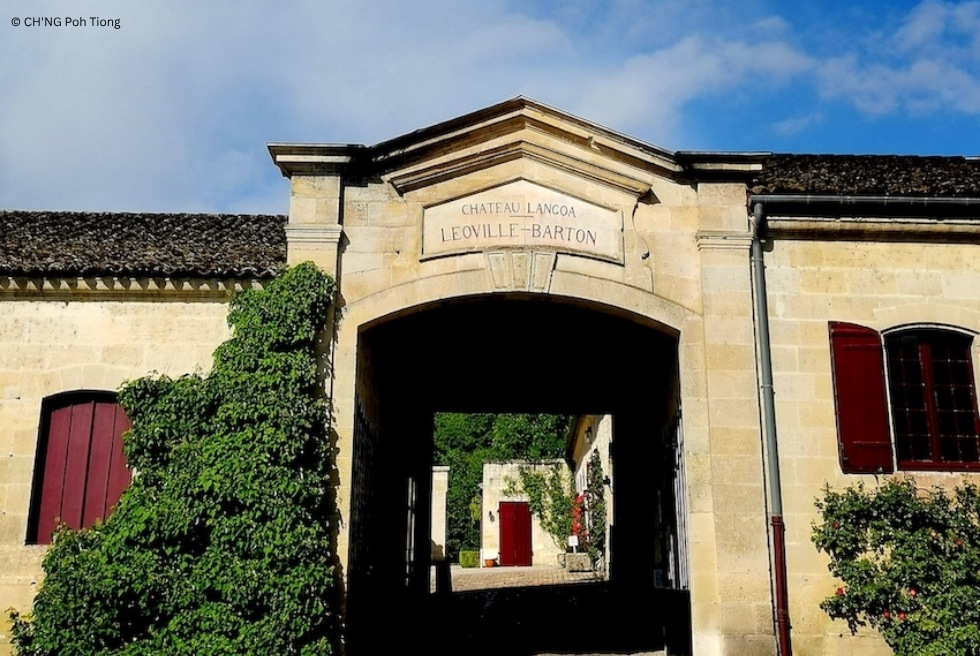
In 1826, Hugh Barton bought a part of the original Leoville estate that was to become Chateau Leoville Barton and which was ranked a Second Growth in the 1855 Classification of the Medoc.
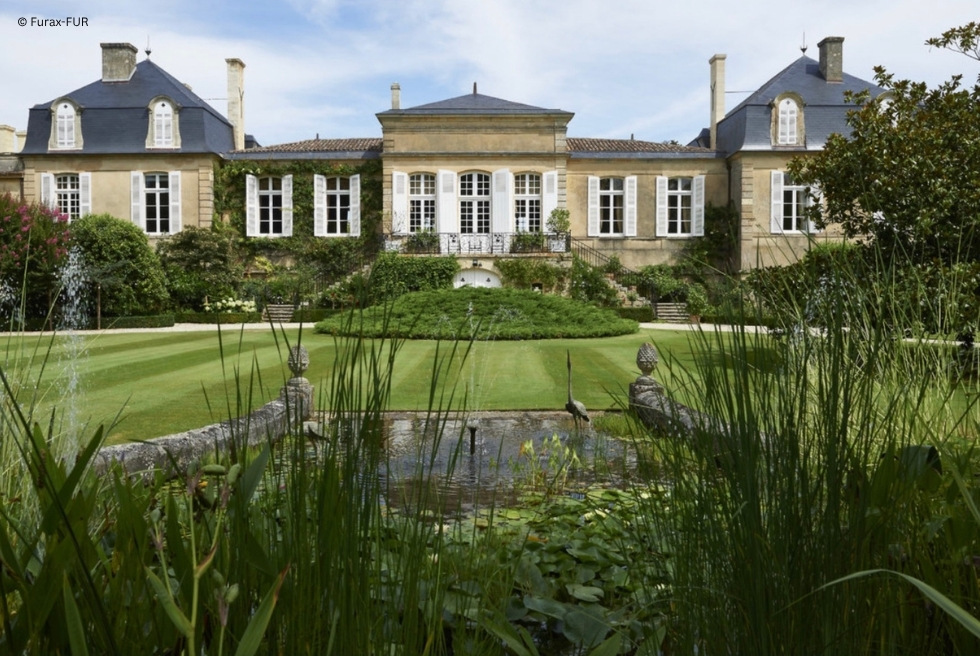
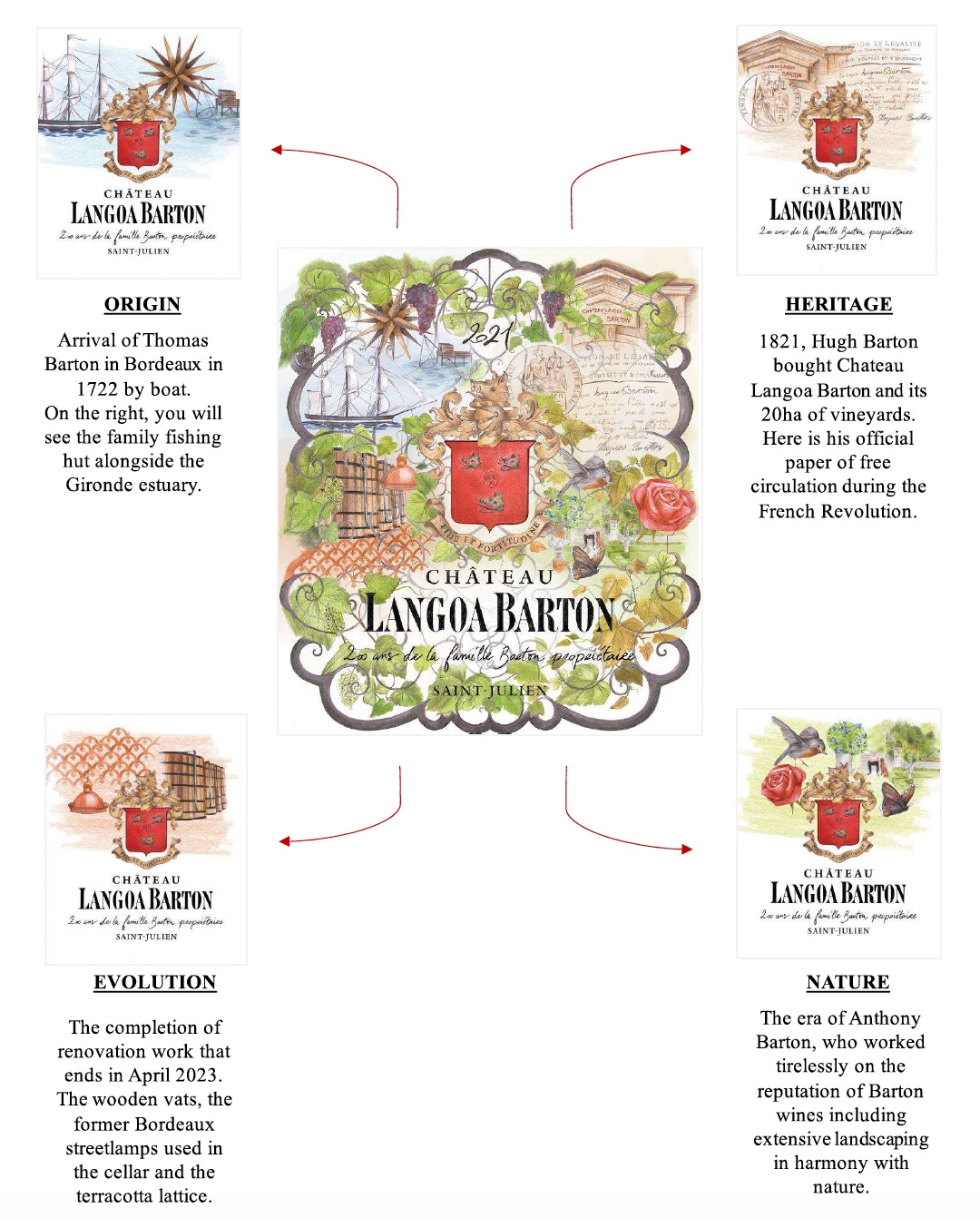
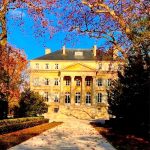
Leoville Barton does not have a chateau following the original Leoville estate being split up into three properties in the 19th Century. Most people mistake Chateau Langoa Barton (above) to be Leoville Barton.
The next pivotal figure in the story is Anthony Barton (1930-2022), born in County Kildare, Ireland. There was no silver spoon lodged in his mouth when he opened his eyes because his elder brother Christopher was heir to the family’s Straffan House estate in Ireland.
Chateau Langoa, Leoville Barton and the Bordeaux wine merchant Barton & Guestier in France were owned by his uncle Ronald Barton.
Following studies in Ireland and England, Anthony Barton settled in Bordeaux in 1951 at the ripe young age of 21. Fortune, though, was not smiling on his face.
Following the end of World War II (1939 – 1945), the world was trying to get back on its two feet and wine, understandably, was not the foremost priority. The lack of demand meant very low prices and both Langoa and Leoville Barton were actually running at a loss.
To make matters worse, Anthony Barton’s inaugural 1951 vintage was not auspicious or even memorable. In fact, it was so dreadful that his uncle Ronald was obliged to tell him: “Another vintage like this and I will have to sell.” Although two good vintages followed, prices remained low and profitability elusive.
Given the sorry state of demand, Barton & Guestier was in no better shape. Such was the situation that, in 1954, the family turned to an infusion of outside capital which saw Seagram assuming a half-share interest in the wine merchant. A few years later, the Canadian drinks giant became the majority shareholder.
Anthony Barton remained as Export Director of Barton & Guestier until 1967. In that year, he founded Les Vins Fins Anthony Barton. Uncle Ronald, meanwhile, was very much engaged at his two wine estates.
More, however, was going to land on Anthony Barton’s plate. (Ironically, Seagram, at one time the world’s largest distiller of alcoholic beverages, is today defunct, while Les Vins Fins Anthony Barton is thriving).
Although his uncle was married, Ronald Barton did not have children. In 1983, he gave Langoa and Leoville Barton to his nephew. Anthony Barton wrote to thank his uncle whose reply easily outmatched his generosity.
‘Do not thank me, thank Hugh. I have never considered it anything but my duty as custodian of the vineyards to hand them on to my heir in the best possible condition.’
Ronald Barton continued to be involved with his beloved estates until his death in 1986. By then, Anthony Barton was already working beside him. That same year, together with his wife Eva, a new generation of the Barton Family moved into the chateau that has become so identified with their name.
Today, Ninth‑Generation Lilian Barton Sartorius, together with her children Mélanie and Damien, is the custodian of the family estates. Along with her husband Michel Sartorius, she also runs the wine merchant business Les Vins Fins Anthony Barton started by her father in 1967.
Mélanie and Damien oversee the daily upkeep of the vineyards, with Mélanie also looking after production, wines, and vines at Chateau Mauvesin Barton. Damien focuses more on general management. He travels around the globe showcasing the wines to consumers during winter and helps out at the vineyard for the rest of the year.
The year 2021 marked the 200th Anniversary of the family’s ownership of Chateau Langoa Barton. In celebration of this momentous occasion, the chateau launched an anniversary label for the 2021 vintage. Now, with the 2026 vintage of Leoville Barton dressed in its historic Art Deco label, the family continues to honour its past while looking confidently to the future.