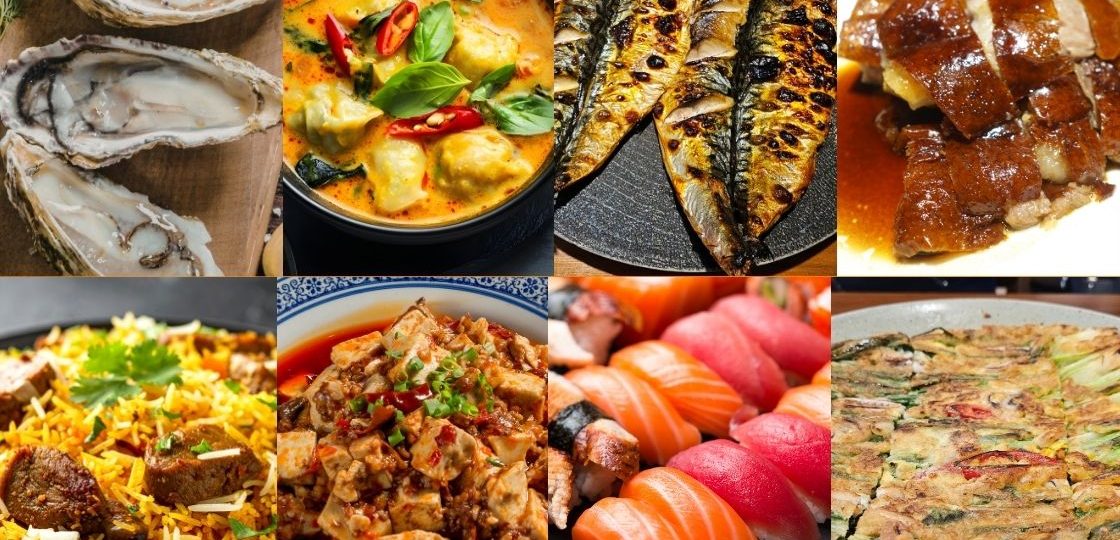
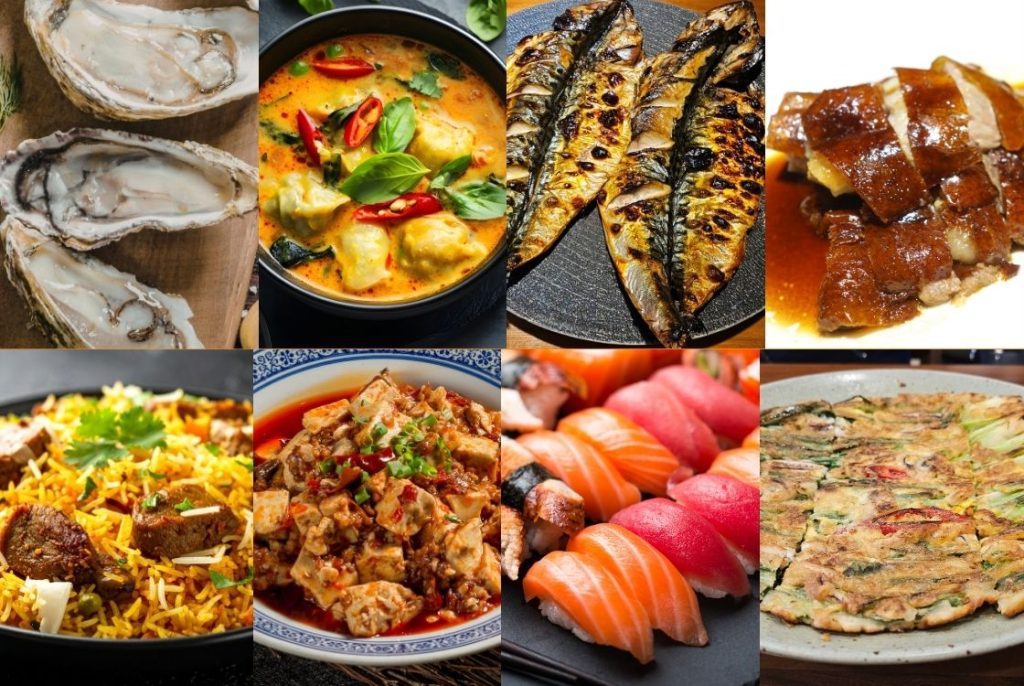
Three possible scenarios occur when a wine is introduced to food. The food and wine clash like a head-on collision. Like raw oyster with a full-bodied red, champagne with a Ribeye steak or Muscadet with Sweet & Sour Pork.
The second scenario is less dramatic. Wine and food do not clash nor do they pair. They are indifferent to each other. They do not clash but there is also no chemistry. Food and wine co-exist.
The third setting is the ideal. It’s love at first bite and sip. The wine and food are locked in a tight embrace. They bring out qualities in each other which were not there on their own. It’s a happy marriage. Like champagne with tempura, roast goose with Burgundy, Tawny Port with Sichuan Salivating Chicken, or Palo Cortado with Mutton Marsala.
The three scenarios are usually not a 100 percent outcome. There are shades and shadows in between. So, for example, where a wine and a dish co-exist, they may not be completely indifferent to each other and can, for example, pair to some extent although not entirely.
An example would be a flinty Chablis with an Omega 3 rich grilled Mackerel. Not the perfect match because a richer Meursault or creamy white Chateauneuf-du-Pape would be more ideal but, still, not a complete disaster.