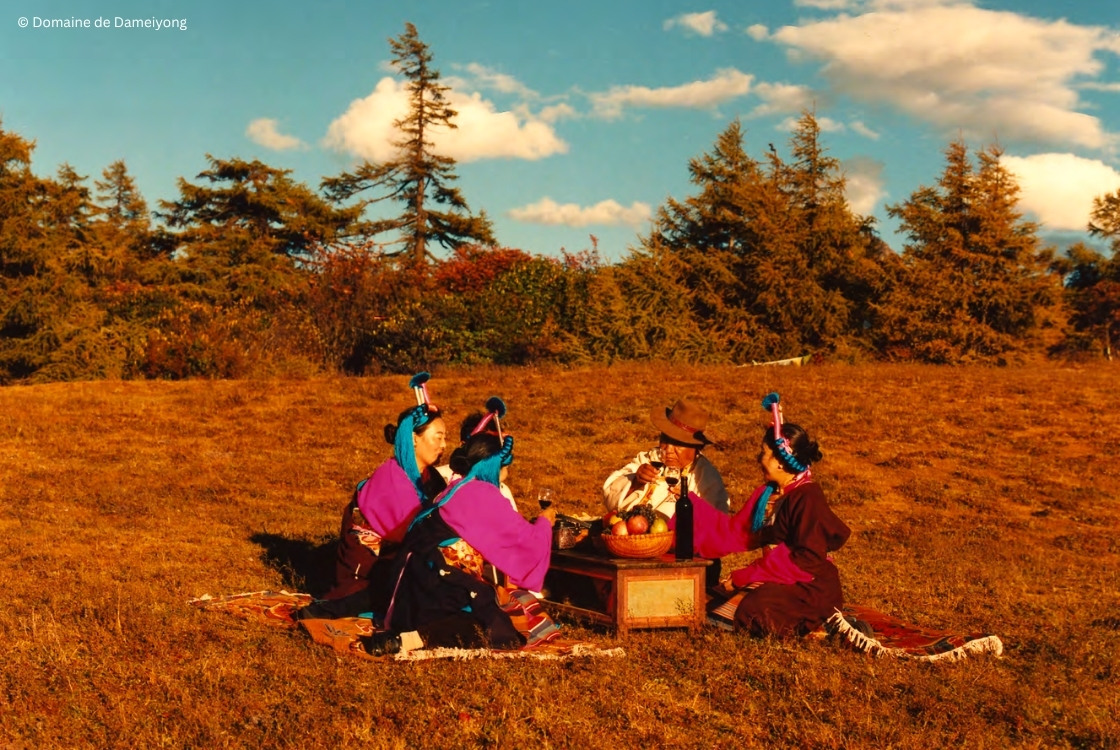
Is China an Old or New World wine producer?
China is both! China has been growing grapes and making wine for more than 2,000 years.
Chinese envoys brought back grape seeds from Ferghana in modern day Uzbekistan to the capital Xi’an during the Han Dynasty (206 BCE–220 CE). The vines were, however, grown on imperial land and the wine enjoyed by a privileged and elite few. Wine was exotic and exclusive and not made to be traded.
Even earlier, during the Spring and Autumn Period (771–476 BCE) in Shanxi, Duke Wen of Jin (one of the five hegemons of the Spring and Autumn Period), son of Prince Ji Guizhu and his wife Rongzi, served wine made from wild Gelei grapes (a speciality of his mother’s Di Rong tribe) in the royal court. This is attested to in the Shiji or Records of the Grand Historian.
Xinjiang, in the distant west, has a wine culture going back even longer to about 3,000 years. The Turpan Museum has a 115 cm grapevine dating back to the Western Zhou Dynasty (1046–771 BCE). While wine in Xinjiang was not reserved for an elite few, wine was made by families – for family – rather than for commerce or trading. It would, for example, be hard to justify carrying wine on the backs of camel across distant desserts when water was more crucial to sustaining the lives of the traders. (It’s also hard to imagine the wine could survive the intense dessert heat).
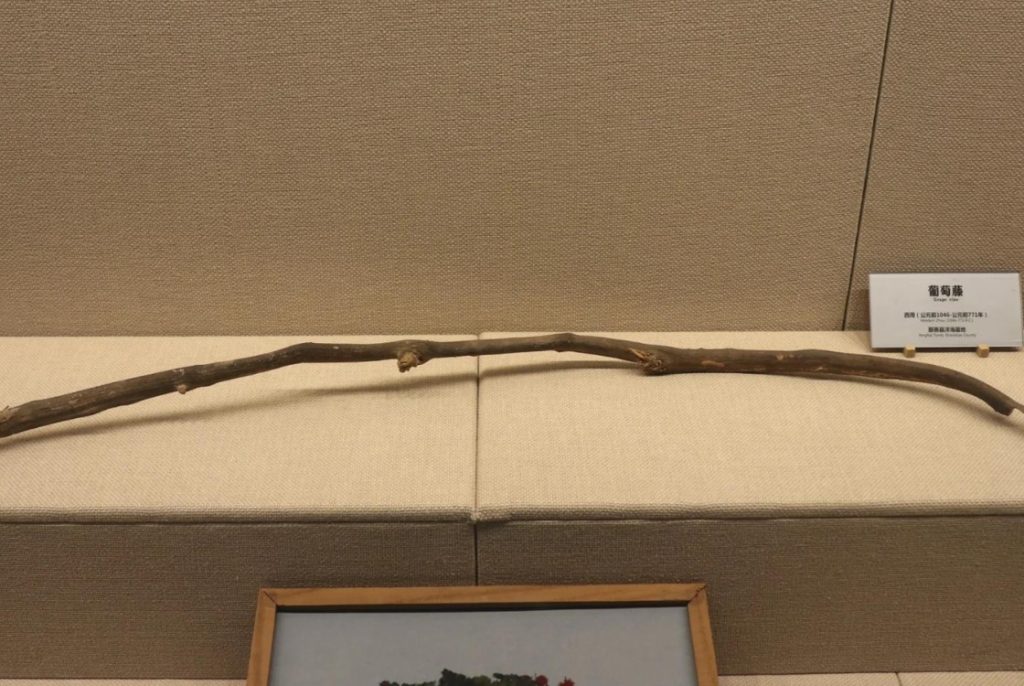
Housed in the Turpan Museum, this 115 cm grapevine was unearthed in 2003 from the Yanghai Tombs in Shanshan County, Xinjiang, and dates back to the Western Zhou Dynasty (1046–771 BCE).
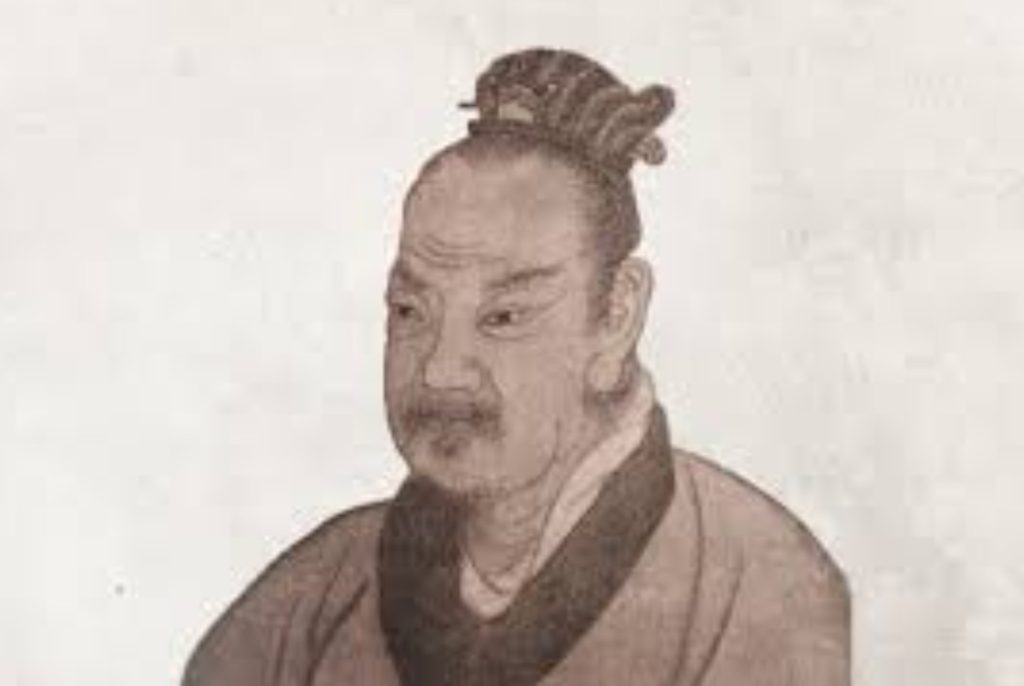
The Shiji records that Duke Wen of Jin (one of the five hegemons of the Spring and Autumn Period) served wine made from wild Gelei grapes in the royal court.
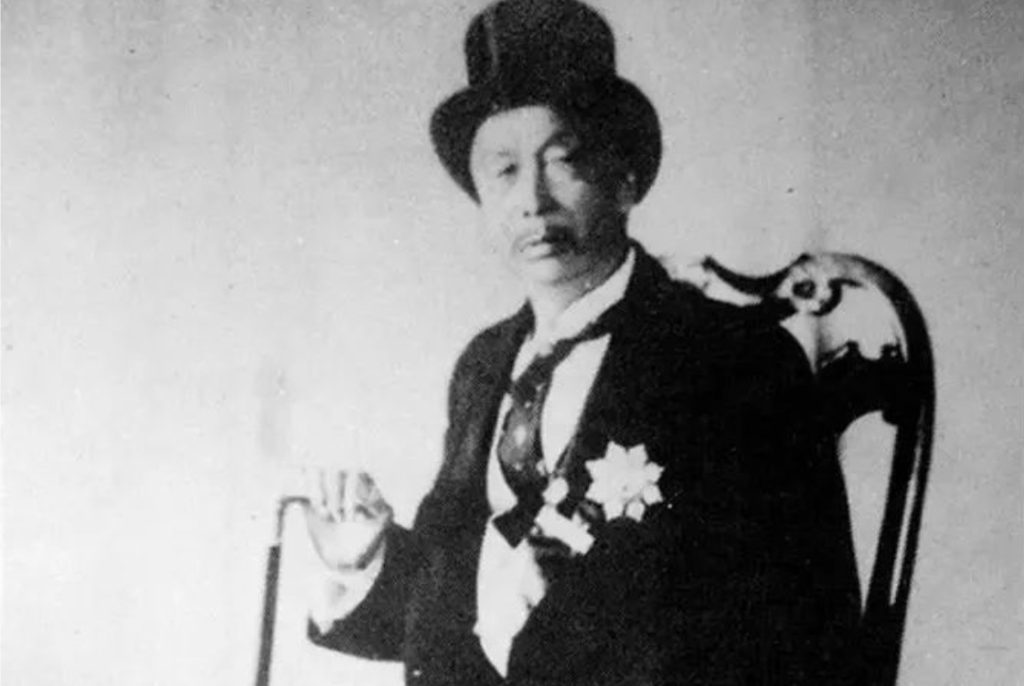
CHEONG Fatt Tze (c. 1840–1916) or ZHANG Bishi founded Changyu Winery in 1892.
The modern Chinese wine industry is said to begin in 1892 when Guangdong born CHEONG Fatt Tze (c. 1840–1916) or ZHANG Bishi founded Changyu Winery in Yantai, Shandong. By that time, Zhang had already migrated to Nanyang where he made a huge fortune from trading, including in Jakarta, Penang, and Singapore. Such was his immense wealth, Zhang was referred to as the “Rockefeller of the East”. Zhang Bishi remained very attached to his Motherland. Following his death in Jakarta in 1916, his coffin made a final journey through Penang, Singapore, and Hong Kong before being returned to China where he is buried.
Today, Chinese wine is produced to be discovered, enjoyed, and celebrated by wine lovers from every corner of the world. Every single bottle is meant for sharing. The heartfelt ambition of Chinese wine is to be a grape citizen on every wine list of the world!
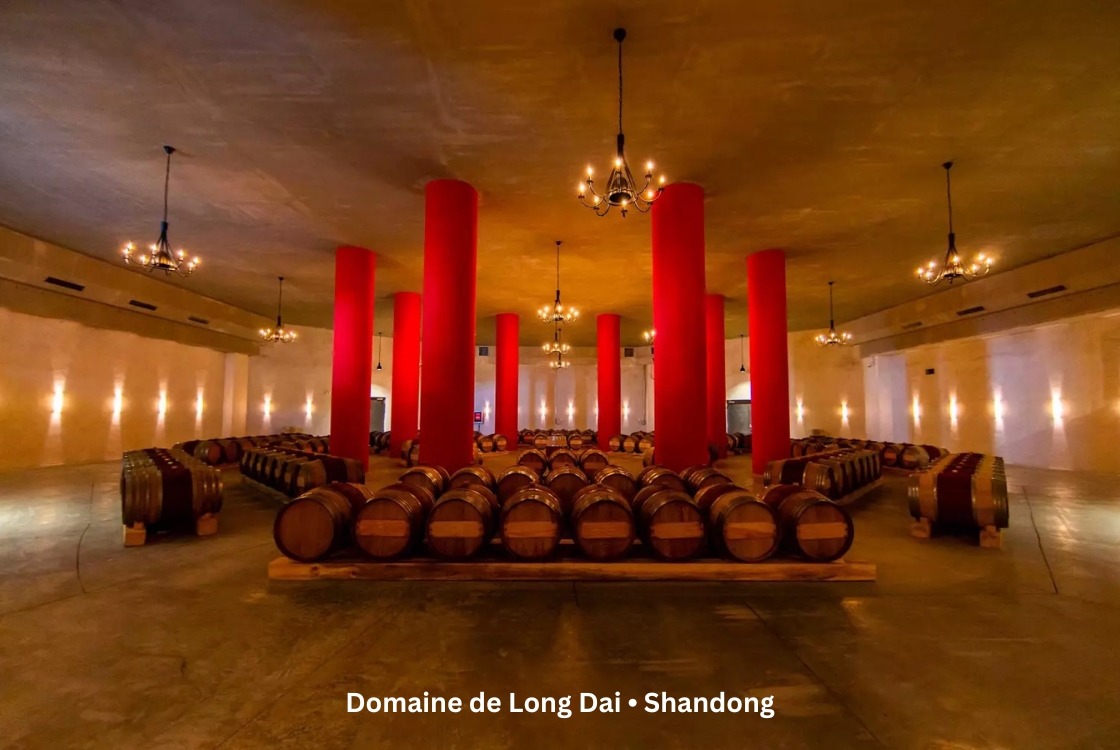
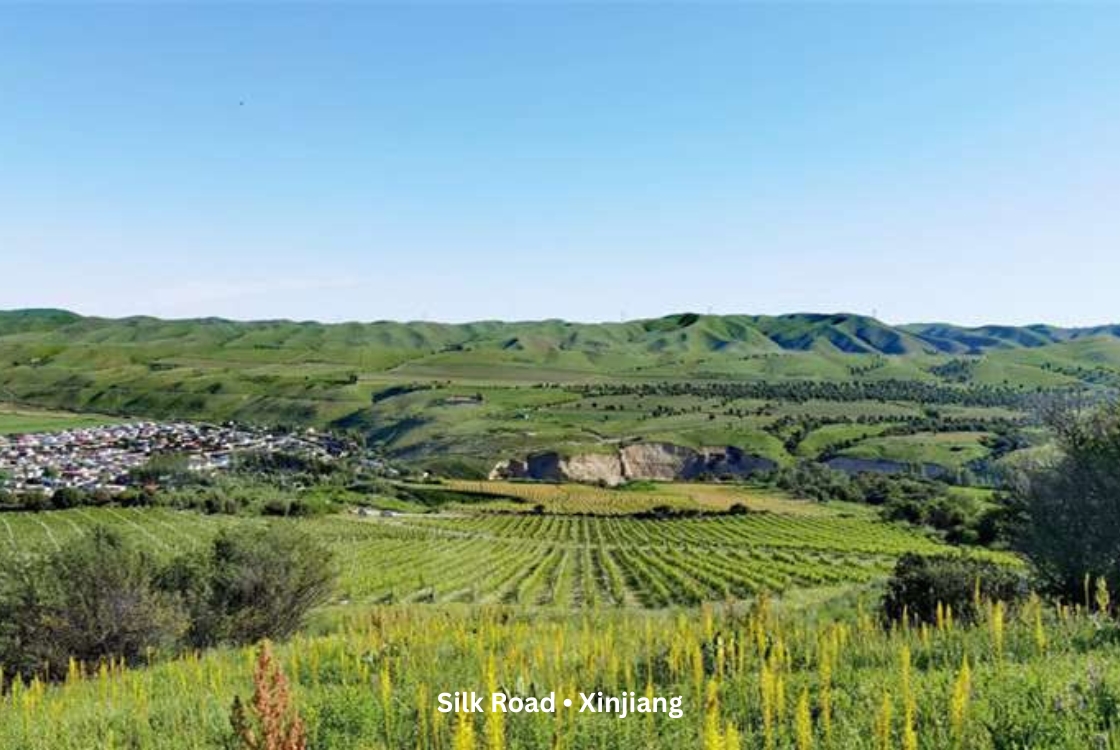
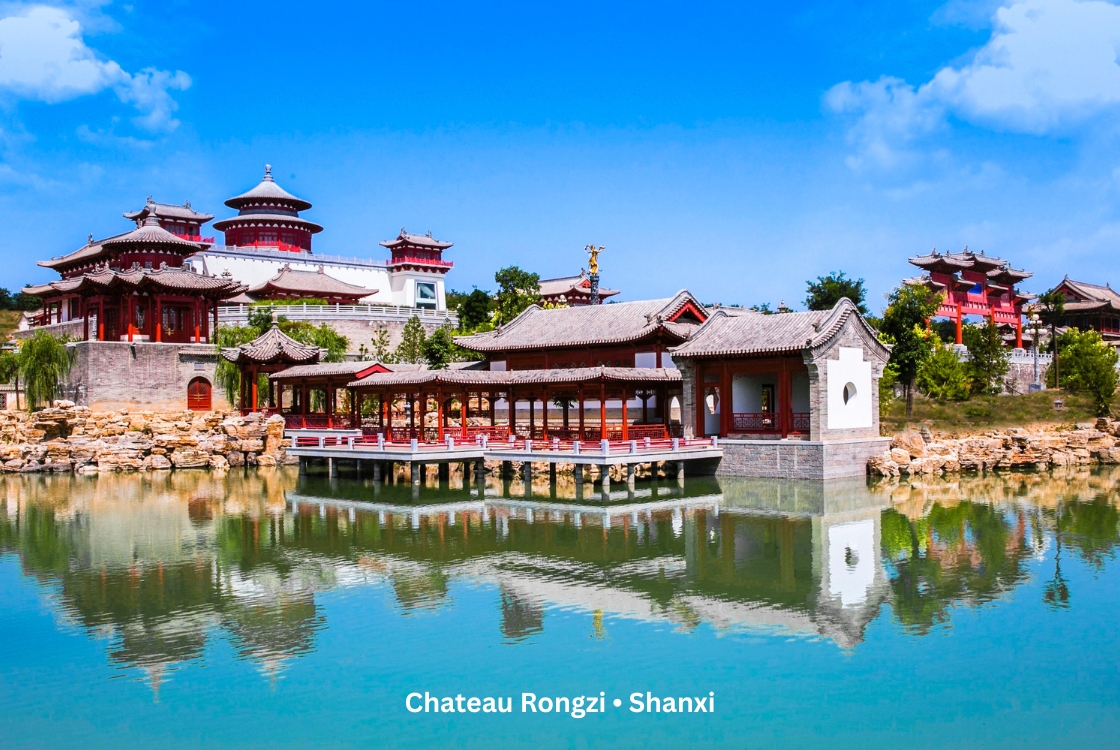
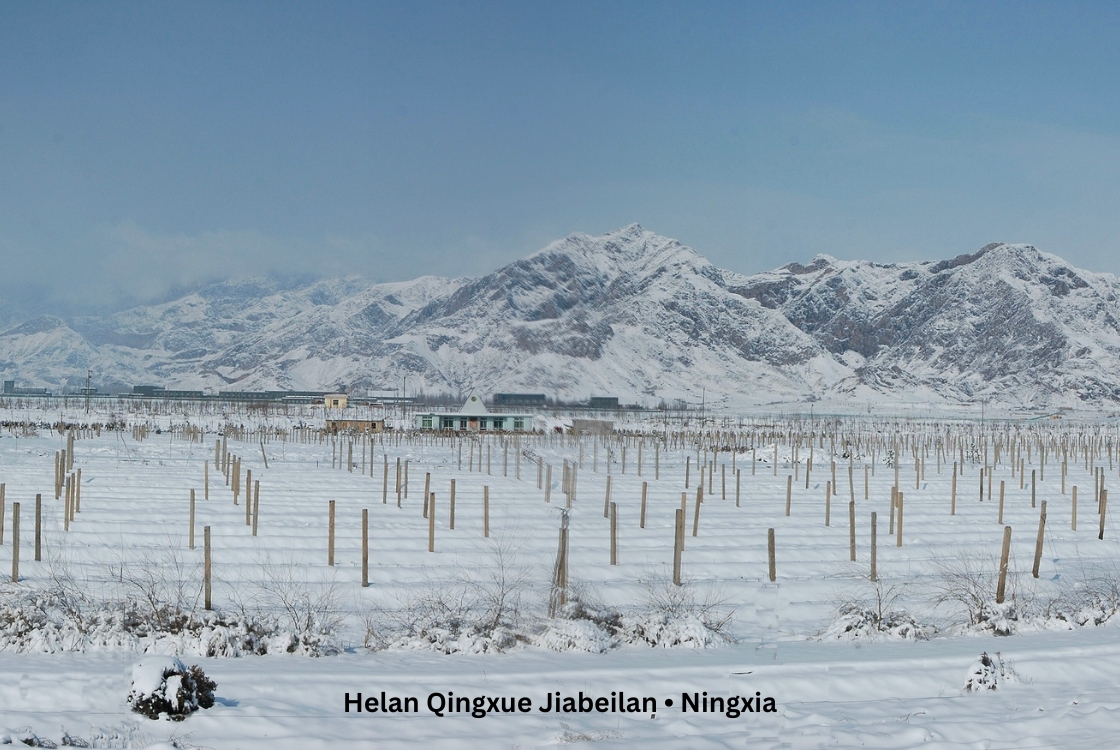
- Domaine de Long Dai • Shandong
- Longting Vineyard • Shandong
- Canaan Winery • Hebei
- Domaine Franco-Chinois • Hebei
- Kanaan Winery • Ningxia
- Fei Tswei Winery • Ningxia
- Xige Estate • Ningxia
- Helan Qingxue Jiabeilan • Ningxia
- Chateau Rongzi • Shanxi
- Silk Road • Xinjiang
- Tiansai Vineyards • Xinjiang
- Domaine de Dameiyong • Tibet